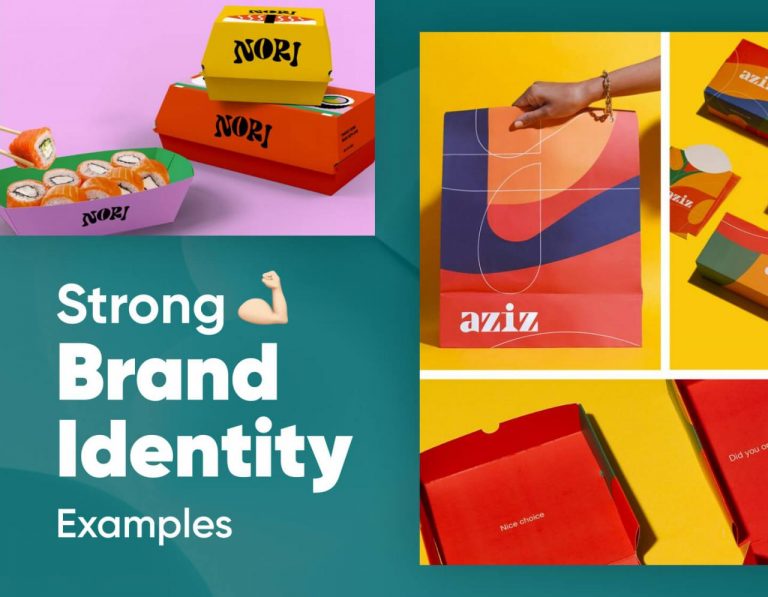
Branding your business Canva is an essential aspect of establishing a strong presence in today’s competitive market. With the rise of digital tools, Canva stands out as a user-friendly platform that empowers business owners, especially those without design backgrounds, to create visually appealing branding materials effortlessly.
From developing a cohesive brand identity to designing marketing materials, understanding how to utilize Canva effectively can elevate your business’s image and foster customer loyalty. This overview will guide you through the significance of branding, the capabilities of Canva, and practical steps to enhance your brand’s visibility and recognition.
Importance of Branding Your Business
Branding is more than just a logo or a catchy tagline; it’s the essence of your business and shapes how customers perceive you. Effective branding establishes a unique presence in the market, which is critical for business success. It allows businesses to differentiate themselves from competitors and build a strong reputation that resonates with consumers.The impact of branding on customer perception is profound.
A strong brand creates familiarity and trust, leading to customer loyalty. When customers identify with a brand, they are more likely to become repeat buyers and advocates for the business. This loyalty can translate into a significant competitive edge, as loyal customers tend to spend more and are less price-sensitive.
Key Elements of a Strong Brand Identity
Establishing a strong brand identity requires thoughtful consideration of several key elements that contribute to how a business is perceived in the market. These elements work together to create a cohesive identity that resonates with the target audience.
- Logo: A well-designed logo is often the first impression of a brand. It should be distinctive, memorable, and reflect the brand’s values.
- Color Palette: The colors used in branding can evoke emotions and associations. Consistent use of a color palette helps reinforce brand recognition.
- Brand Voice: The tone and style of communication affect how customers relate to the brand. A consistent brand voice allows for a more personalized customer experience.
- Value Proposition: Clearly defining what makes the brand unique helps customers understand why they should choose your products or services over competitors.
- Customer Experience: The way a brand interacts with its customers at every touchpoint contributes to overall brand perception and loyalty.
Consistency across all branding elements fosters trust and helps establish a lasting relationship with customers.
By emphasizing these key elements, businesses can create a robust brand identity that not only attracts new customers but also fosters lasting loyalty among existing ones. A strong brand identity is essential for long-term success in today’s competitive market.
Overview of Canva as a Branding Tool
Canva has emerged as a significant player in the toolkit of brands and businesses looking to refine their identity and establish a strong visual presence. With its user-friendly interface and diverse functionalities, Canva simplifies the branding process, making it accessible to both professional designers and non-designers alike. Its comprehensive set of features allows users to create visually appealing content that resonates with their target audience.The platform offers an extensive library of templates, graphics, and fonts tailored for various branding needs.
Businesses can effortlessly design everything from social media posts to marketing brochures, ensuring a cohesive brand image across all channels. By leveraging Canva’s powerful features, brands can maintain consistency and creativity in their marketing efforts, which is crucial for building recognition and trust with customers.
Features of Canva that Assist in Branding Efforts
Canva provides a variety of features specifically designed to support branding initiatives. These features include:
- Customizable Templates: Canva offers thousands of professionally designed templates that can be tailored to fit a brand’s look and feel. Users can adjust colors, fonts, and layouts to align with their brand guidelines.
- Brand Kit: This feature allows businesses to save their brand colors, logos, and fonts in one place, streamlining the design process and ensuring brand consistency across all materials.
- Easy Collaboration: Teams can collaborate in real-time, making it easy to gather feedback and make adjustments during the design process. This feature enhances teamwork and speeds up project completion.
- Variety of Formats: Canva supports a broad range of formats, enabling brands to create various content types—from print materials like business cards and flyers to digital assets such as social media graphics and presentations.
- Stock Images and Videos: Users have access to a vast library of stock images, videos, and graphics, making it easier to find the right visual assets that encapsulate their branding message.
Real-world examples highlight how businesses have successfully utilized Canva for their branding efforts. For instance, a local coffee shop used Canva to design eye-catching menus and social media posts. By maintaining a consistent visual theme that reflected their brand identity, they were able to attract more customers and boost their online presence. Similarly, a small e-commerce store utilized Canva to create promotional banners and product images, effectively increasing engagement on their website and social media platforms.
Benefits of Using Canva for Non-Designers
Canva is particularly advantageous for non-designers, as it democratizes the design process by offering intuitive tools and resources. The benefits include:
- User-Friendly Interface: Canva’s drag-and-drop functionality makes it easy for anyone to create designs without extensive graphic design knowledge.
- Time Efficiency: With ready-made templates and elements, users can create high-quality branding materials in minutes rather than hours.
- Cost-Effective: Canva offers a free tier with numerous features, making it an affordable option for small businesses and startups with limited budgets.
- Educational Resources: Canva provides tutorials and design courses that help users improve their skills, empowering them to create even more effective branding materials over time.
- Accessible Across Devices: Being a cloud-based platform, Canva allows users to work on their designs from anywhere, enhancing flexibility and convenience.
Through these benefits, Canva enables non-designers to contribute actively to their brand’s visual marketing strategy, fostering a more engaged and creative business environment.
Creating a Brand Kit in Canva
Establishing a strong brand identity begins with a well-structured brand kit. In Canva, creating a brand kit is a straightforward process that empowers you to unify your branding efforts across various platforms. A brand kit comprises essential elements such as logos, color palettes, fonts, and brand imagery, all of which contribute to a consistent and recognizable brand presence.
Creating a brand kit in Canva involves a few simple steps, allowing you to consolidate your branding materials in one accessible location. This ensures that your branding remains consistent, no matter where you use it.
Steps to Create a Brand Kit in Canva
To effectively build your brand kit, follow these detailed steps:
- Sign In or Create an Account: Begin by signing in to your Canva account. If you don’t have one, creating an account is free and quick.
- Access the Brand Kit Feature: From your Canva dashboard, locate the “Brand Kit” option on the left panel. Click on it to enter the brand kit setup area.
- Add Your Logo: Upload your logos by clicking the “Upload” button. Ensure you have different variations, such as full-color, black and white, and transparent backgrounds for versatility.
- Select a Color Palette: Choose a color palette that reflects your brand identity. You can either input hex codes for precise colors or use the color picker tool to select shades that resonate with your brand.
- Choose Brand Fonts: Select fonts that align with your brand’s voice. Canva offers a variety of free and premium fonts. Ensure the chosen fonts are readable and versatile for different applications.
- Incorporate Brand Images: Upload images that represent your brand, such as patterns or backgrounds that fit within your brand aesthetic. This adds depth and character to your brand kit.
- Save Your Brand Kit: Review all elements, and once satisfied, save your brand kit. You can always return to update or modify your brand assets as needed.
Elements to Include in a Brand Kit
A comprehensive brand kit contains several core elements that define your brand’s visual identity. Including the following components helps in maintaining a coherent look across all marketing materials:
- Logos: Various versions of your logo (e.g., horizontal, vertical, icon only) to ensure adaptability across different contexts.
- Color Palettes: Primary and secondary color schemes that effectively convey your brand’s message and emotion.
- Typography: A selection of fonts for headings, body text, and any special text—ensuring that the font choices complement each other.
- Brand Imagery: Any specific images or graphics that reflect your brand ethos and can be used in promotional materials.
- Icons and Graphics: A set of icons that represent your brand’s key services or products can also be included.
Ensuring Consistency with a Brand Kit
Maintaining consistency in branding is crucial for building trust and recognition among your audience. The brand kit serves as a reference guide, ensuring that anyone creating content on behalf of your brand adheres to your established visual identity. A well-maintained brand kit provides clarity on color usage, typography, and logo placement, which can significantly reduce design errors and misrepresentation.
“Consistency in branding enhances recognition and builds trust with your audience.”
By regularly reviewing and updating your brand kit in Canva, you can adapt to any changes in your brand strategy while ensuring that all visual representations remain aligned with your overall branding goals. This approach not only simplifies the design process but also strengthens your brand’s identity in the marketplace.
Designing Marketing Materials Using Canva
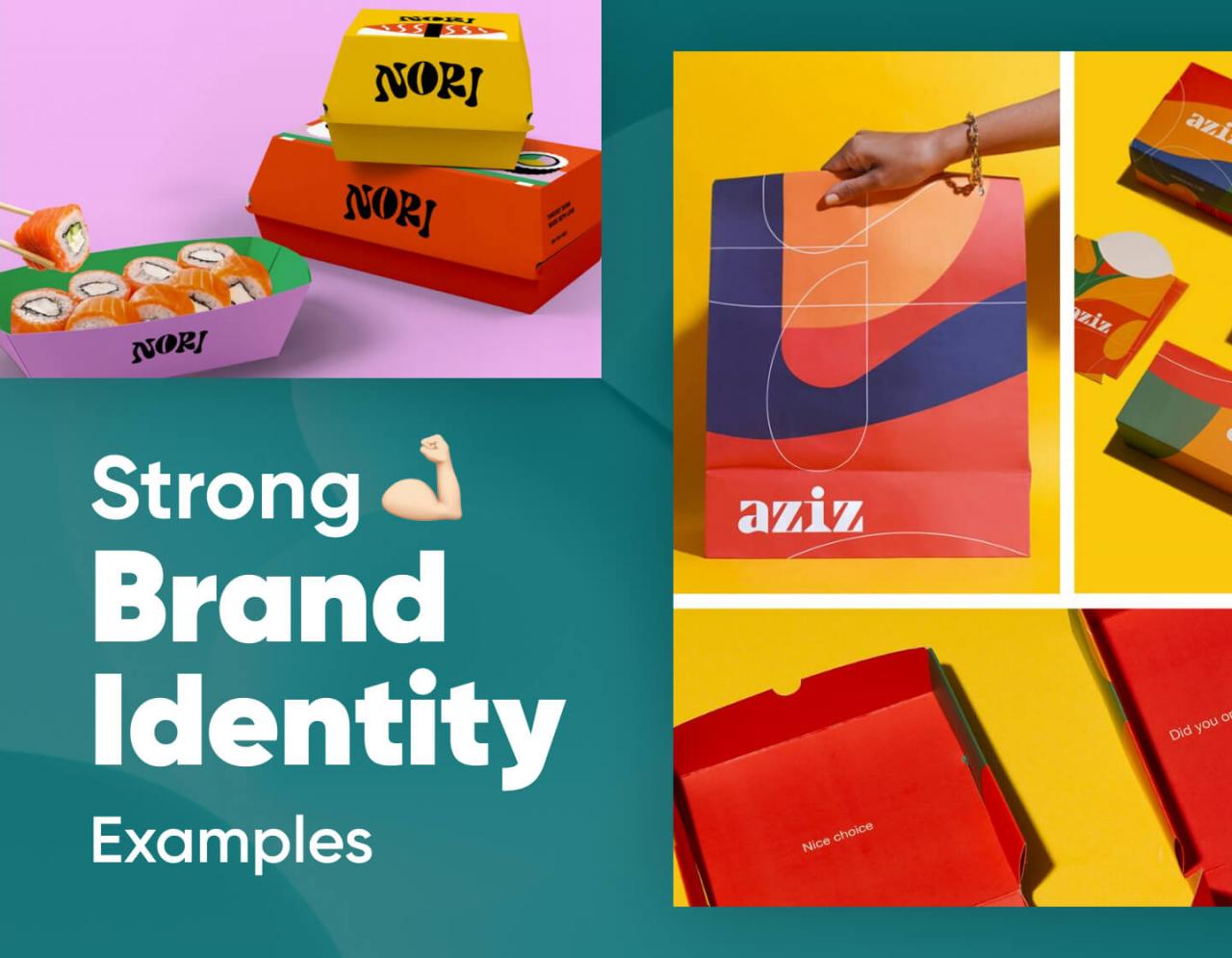
Creating effective marketing materials is essential for any business looking to establish its presence in the market. Canva provides a versatile platform where businesses can design a variety of marketing materials effortlessly, allowing for creativity without requiring advanced design skills. This section will explore the types of materials you can create using Canva, along with methods to ensure your marketing efforts are visually consistent and impactful.
Types of Marketing Materials Designed in Canva
Canva allows users to design a wide range of marketing materials, ensuring that businesses can communicate their brand effectively across different mediums. Here are some of the materials you can create:
- Social Media Posts: Canva offers templates for platforms like Instagram, Facebook, and Twitter, making it easy to design eye-catching posts that engage your audience.
- Flyers: Create vibrant flyers for events, promotions, or announcements that can be printed or shared digitally.
- Business Cards: Design professional business cards that leave a lasting impression during networking opportunities.
- Brochures: Utilize Canva to design informative brochures that highlight products or services, providing essential details in a visually appealing format.
- Email Newsletters: Craft visually appealing email templates that maintain brand consistency while delivering updates and promotions to your audience.
Methods for Creating Marketing Materials
Designing marketing materials in Canva is straightforward. Here’s how you can effectively create social media posts, flyers, and business cards:
- Social Media Posts: Start by selecting a template specific to the social media platform. Customize with your brand colors, fonts, and images. Use high-quality visuals to grab attention and make sure to include concise, engaging text.
- Flyers: Choose a flyer template that resonates with your target audience. Incorporate graphics and relevant information, maintaining a balance between visuals and text. Save your design in a suitable format for printing or digital distribution.
- Business Cards: Select a business card template and personalize it with your logo, contact information, and brand colors. Consider using both sides of the card to maximize space and impact.
Importance of Visual Consistency Across Different Materials
Maintaining visual consistency across various marketing materials is crucial for brand recognition and professionalism. When all your materials adhere to the same style guide, it strengthens your brand’s identity and makes it easily recognizable to your audience.
“Visual consistency not only enhances brand recognition but also builds trust and credibility with your audience.”
This approach involves using the same color palette, font styles, and logo placements throughout all marketing materials. By doing so, businesses can create a cohesive look that reinforces their branding message and ensures that customers can easily identify their materials, regardless of the platform or format.
Leveraging Templates for Branding
Canva offers a wealth of templates specifically designed to enhance your branding efforts. These templates serve as foundational tools that allow businesses to maintain a consistent visual identity across various marketing platforms. By leveraging these pre-designed assets, businesses can save time and ensure that their materials resonate with their target audience.Customizing templates in Canva is a straightforward process that enables you to align designs with your brand identity.
Each template can be tailored to reflect your unique logo, color palette, and typography choices. Canva allows users to modify text, images, and elements easily, ensuring your brand’s voice and aesthetic are cohesively presented.
Types of Templates Available for Branding
Canva provides a diverse range of templates suitable for various branding needs. Understanding these types aids in selecting the most fitting options for your marketing requirements. Here are some key categories:
- Business Cards: Essential for networking, these templates allow you to showcase your brand’s logo and contact information in a professional format.
- Social Media Posts: Pre-designed posts for platforms like Instagram, Facebook, and Twitter that ensure your brand message is consistent and engaging.
- Flyers and Brochures: Perfect for promoting products or services, these templates enable you to present detailed information attractively.
- Presentations: Templates designed for pitches and meetings, allowing you to convey your ideas visually while maintaining brand consistency.
- Infographics: Help in visually representing data and information, making complex topics easier to understand while reinforcing brand identity.
Customizing Templates to Align with Brand Identity
Once you’ve selected a template, customization is key to ensuring that it aligns with your brand identity. Here are some effective strategies to achieve this:
- Brand Colors: Use your brand’s color palette to replace the template’s default colors, creating a cohesive look that represents your business.
- Typography: Select fonts that match your brand’s voice. Canva allows you to upload custom fonts or choose from a wide array of available options.
- Logo Integration: Incorporate your logo into the design. Position it prominently on business cards, flyers, or social media posts to enhance brand recognition.
- Imagery: Replace template images with high-quality visuals that reflect your brand’s personality. Use original photography or curated stock images that resonate with your target audience.
Tips for Selecting the Right Template for Various Marketing Needs
Choosing the right template is crucial for effectively communicating your brand message. Consider the following factors when making your selection:
- Target Audience: Understand who you are trying to reach. Select a template style that appeals to their preferences and expectations.
- Purpose of Marketing Material: Identify the primary goal of the material, whether it’s to inform, persuade, or entertain, and choose a template that aligns with that purpose.
- Brand Personality: Match the design style of the template with your brand personality. A playful brand may benefit from bright colors and fun graphics, while a luxury brand should opt for minimalist designs and elegant fonts.
- Medium of Distribution: Consider where your material will be used. For social media, select eye-catching templates optimized for digital engagement, while print materials may require templates that focus on clarity and readability.
By leveraging Canva’s templates, businesses can craft professional marketing materials that reinforce their brand identity, ensuring a consistent and impactful presence in the marketplace.
Collaborating with Teams on Canva
Effective branding requires collaboration, especially when multiple team members are involved. Canva offers a seamless way for teams to work together on branding initiatives, ensuring that everyone can contribute their ideas while maintaining a consistent brand image. The platform’s collaborative features are designed to enhance communication and streamline the design process, which leads to a more cohesive final product.When working on branding projects in Canva, sharing designs and collaborating with team members is straightforward.
Each team member can access the same design files, making it easier to provide input and suggestions. This communal approach also helps maintain branding consistency across various materials, from marketing collateral to social media posts.
Sharing and Collaborating on Branding Projects
To begin collaborating on branding projects, you can easily share files with your team. Here are the steps and benefits involved in this process:
- To share a design, click on the “Share” button located in the top-right corner of the Canva interface. You can enter email addresses or create a shareable link.
- Team members can be granted different levels of access, ranging from viewing to editing permissions, allowing for flexible collaboration tailored to the project’s needs.
- Using folders can help organize projects by team or campaign, simplifying the process of locating specific designs.
The benefits of teamwork in Canva extend beyond just access to files. Collaboration enhances branding consistency in several ways:
- Multiple perspectives can lead to richer ideas and innovations that reinforce brand values.
- Consistent communication reduces the likelihood of misalignment on brand messaging and visuals.
- Real-time collaboration allows for quicker decision-making, getting designs to market faster while maintaining quality.
Using Commenting Features for Feedback and Revisions
Canva’s commenting features play a crucial role in the revision process. Team members can leave feedback directly on specific elements of a design, facilitating clearer communication and ensuring that everyone is on the same page. The comments can include suggestions for adjustments or express approval for certain aspects of the design.The process of using comments for feedback in Canva works as follows:
- Click on any element within the design to leave a comment related to that specific item, ensuring clarity on what the feedback refers to.
- Team members can reply to comments, creating a discussion thread that helps refine ideas and integrate suggestions.
- Once changes are made based on feedback, team members can mark comments as resolved, providing an organized way to keep track of revisions.
Utilizing these features effectively ensures each team member’s input is valued and considered, resulting in a stronger, more cohesive brand strategy that reflects the collective vision of the team. In this collaborative environment, teams can produce branding materials that not only resonate with their audience but also stand out in a competitive market.
Measuring the Effectiveness of Branding Efforts
To ensure that your branding initiatives are making an impact, it’s crucial to measure their effectiveness. This involves tracking various metrics and utilizing tools to evaluate how well your brand is resonating with your target audience. Understanding these elements can help refine your branding strategy, ensuring that your efforts translate into tangible results.One of the first steps in measuring branding effectiveness is to establish clear methods for tracking success.
This may include setting specific goals for brand awareness and perception, which can then be quantitatively analyzed. Here are some key metrics and techniques that can be utilized to gain insights into your branding initiatives:
Methods for Tracking Brand Success
Establishing a framework for evaluating branding efforts helps in understanding their effectiveness. Below are some methods and metrics that can be applied:
- Surveys and Questionnaires: Deploying surveys to your audience can provide direct feedback on brand perception, recognition, and loyalty. Questions can be designed to assess how well your brand values resonate with customers.
- Social Media Analytics: Monitoring engagement metrics such as likes, shares, comments, and follower growth on various platforms can indicate brand awareness and resonance. Tools like Hootsuite and Buffer offer analytics to track these metrics.
- Website Analytics: Using tools like Google Analytics can help track website traffic, bounce rates, and user behavior. Increases in direct traffic often correlate with improved brand recognition.
- Brand Mentions: Tools like Mention or Brand24 allow you to monitor online conversations surrounding your brand, revealing insights into public perception and sentiment.
Metrics for Evaluating Brand Awareness
Awareness is a critical component of branding, and several metrics can help quantify this aspect effectively:
- Brand Recall: Measuring how easily customers can recall your brand in a given category is a strong indicator of brand awareness. This can be assessed through surveys that test recall without prompts.
- Reach and Impressions: Tracking the number of people who have seen your marketing materials or social media posts offers insights into your brand’s visibility.
- Share of Voice (SOV): This metric compares your brand’s mentions to those of competitors, highlighting your brand’s overall presence in the market.
Tools and Techniques for Assessing Brand Perception
Understanding how your brand is perceived by customers is vital for growth. Employing the right tools can provide a nuanced view of customer sentiment:
- Net Promoter Score (NPS): NPS gauges customer loyalty by asking how likely customers are to recommend your brand to others, thereby providing a snapshot of brand satisfaction.
- Sentiment Analysis: Utilizing AI-driven tools like Lexalytics or MonkeyLearn can help analyze customer feedback, reviews, and social media mentions, categorizing them as positive, negative, or neutral.
- Focus Groups: Conducting targeted focus groups can provide qualitative insights into how your brand is viewed, allowing for deeper conversations that numbers alone can’t capture.
Measuring the effectiveness of branding efforts is essential for ensuring continued growth and relevance in a competitive market.
Case Studies of Successful Branding with Canva
Many businesses have harnessed Canva’s capabilities to significantly elevate their branding efforts. This section highlights a few notable case studies that showcase how companies have effectively utilized Canva to create impactful branding strategies, leading to impressive results and valuable lessons learned.
Startup Success: The Coffee Cart
The Coffee Cart, a local coffee startup, utilized Canva to build its brand identity from the ground up. Their strategy involved creating a cohesive brand kit that included a logo, color palette, and font selection. By using Canva’s easy-to-navigate interface, they designed visually appealing marketing materials such as business cards, menu boards, and social media graphics.The results were remarkable. Within six months, The Coffee Cart saw a 40% increase in customer engagement on social media platforms and doubled their foot traffic.
Key lessons learned from this case include the importance of maintaining a consistent visual identity and the effectiveness of leveraging Canva’s tools to save time and resources.
E-commerce Evolution: Vintage Vibes
Vintage Vibes, an online retail store specializing in retro clothing, turned to Canva to enhance their branding strategy and better connect with their target audience. The company focused on creating eye-catching product graphics and promotional banners that reflected their unique style. Canva’s extensive template library allowed them to maintain a fresh and trendy aesthetic.As a result, Vintage Vibes experienced a 50% boost in conversion rates after revamping their marketing materials.
The major takeaway from their journey is the value of audience-centric design and the ability to quickly adapt branding elements to align with current trends using Canva.
Nonprofit Narrative: Green Earth Initiative
Green Earth Initiative, an environmental nonprofit, successfully leveraged Canva to raise awareness and funds for their cause. By developing a strong brand presence across various platforms, they created infographics and educational materials that effectively communicated their mission. Canva’s collaboration features enabled their team to work seamlessly on campaigns and presentations.The outcome was a notable increase in donations and volunteer sign-ups, with a 60% uptick in community engagement during their awareness month.
This case illustrates the power of clear messaging and the importance of visually compelling storytelling in nonprofit branding efforts.
Corporate Branding: Tech Innovators Inc.
Tech Innovators Inc., a technology consulting firm, utilized Canva to streamline its branding process across different departments. By creating a centralized brand kit, they ensured uniformity in presentations, reports, and marketing collateral. They also took advantage of Canva’s collaborative tools to facilitate input from various team members.The firm reported a 30% reduction in design costs and a more efficient workflow.
Their experience emphasizes the significance of brand consistency and the need for collaborative tools in larger organizations, particularly when branding efforts span multiple teams and projects.
“Effective branding is not just about aesthetics; it’s about creating a connection with your audience.”
Overall, these case studies highlight the diverse ways businesses can utilize Canva for branding, showcasing strategies that lead to tangible results while providing valuable insights for others looking to elevate their branding game.
Ultimate Conclusion
In conclusion, mastering branding your business Canva not only allows you to create eye-catching materials but also ensures that your brand communicates a consistent message. By implementing the strategies discussed, you can leverage the powerful features of Canva to enhance your brand identity, engage your audience, and ultimately drive your business’s success. Remember, effective branding is an ongoing journey, and with the right tools and insights, you’ll be well on your way to standing out in the marketplace.
Popular Questions
What is the importance of branding for my business?
Branding helps establish your business’s identity, builds customer loyalty, and differentiates you from competitors, making it crucial for long-term success.
Can anyone use Canva for branding?
Yes, Canva is designed for users of all skill levels, allowing non-designers to create professional-quality branding materials easily.
How do I ensure consistency in my branding?
Creating a brand kit in Canva that includes logos, color palettes, and fonts can help maintain consistency across all your marketing materials.
What types of marketing materials can I create with Canva?
Canva allows you to design various marketing materials including social media graphics, flyers, posters, and business cards.
Can teams collaborate on branding projects in Canva?
Absolutely, Canva offers collaboration features that let teams share, comment, and work together on branding projects in real time.