June 2, 2026

branding

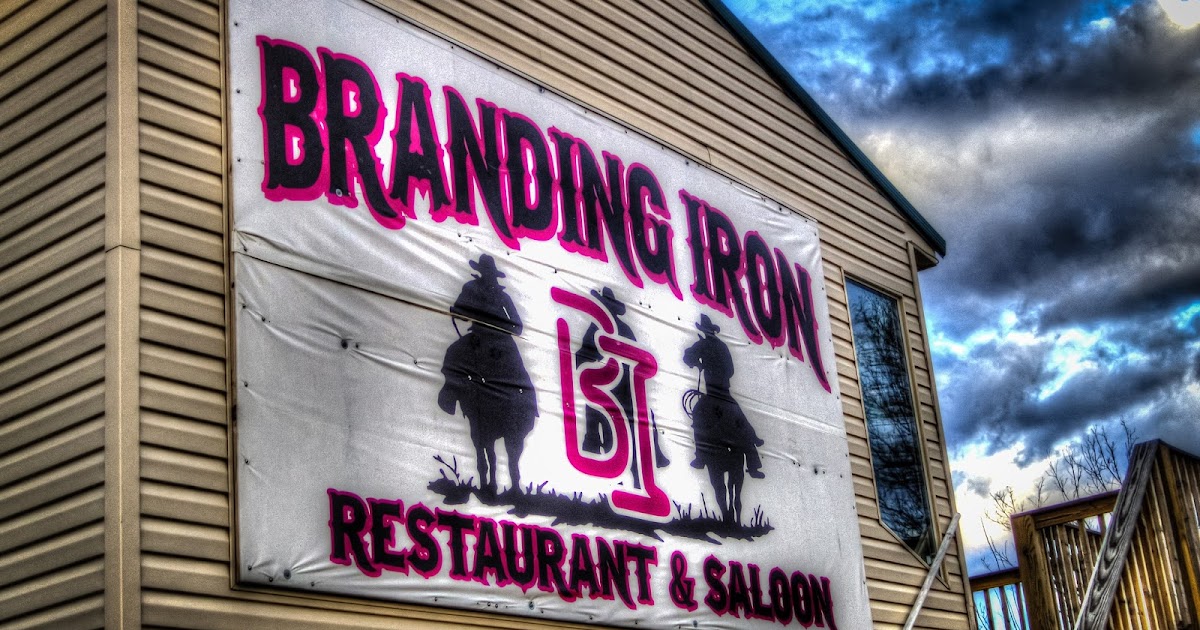
Branding iron in preston mn holds a unique charm, reflecting a rich blend of history and craftsmanship that connects local artisans with their heritage. These tools are not just for marking; they symbolize identity, pride, and the artistry embedded in various industries. From livestock to woodworking, branding irons have transcended their traditional role, becoming essential for businesses aiming to stand out.

In Preston, MN, the use of branding irons is deeply woven into the fabric of local enterprises, fostering a sense of community and individuality. Whether it’s a small craft shop or a larger agricultural operation, these tools play a pivotal role in defining brand identities while showcasing the skill and passion of the artisans behind them.

Introduction to Branding Irons

Branding irons are tools used to mark an object with a specific design or logo, often associated with ownership, quality, or authenticity. Their applications span across various industries such as agriculture, manufacturing, and even arts and craft. Branding irons serve not only a practical purpose but also a symbolic one, reinforcing brand identity and attributes.Historically, branding irons have been significant in craftsmanship, dating back to ancient times when they were used to denote ownership of livestock and goods.

As societies evolved, they transitioned from simple markings to intricate designs that represent brands and artisans. This tool has played a crucial role in establishing a product’s legitimacy and has been an integral part of trade practices.

Types of Branding Irons

Several types of branding irons are available on the market, each tailored to specific needs and applications. Understanding the distinctions and features of each type can help users choose the most suitable option for their branding requirements.

  • Electric Branding Irons: These branding tools are powered by electricity, providing consistent heat and allowing for quick branding on various surfaces. They are favored for their ease of use and efficiency.
  • Manual Branding Irons: Traditionally used, these irons require a heat source such as a fire or propane torch. They offer an authentic touch but may take longer to heat and apply.
  • Custom Branding Irons: These branding tools are tailored to the specific designs or logos of a user. Custom options can range from initials to complex logos, perfect for businesses seeking a unique identifier.
  • Cold Branding Irons: Used primarily in livestock branding, these irons do not require high heat, making them suitable for specific animal care practices. They are utilized to mark animals without causing excessive harm or stress.

“Branding is not just a logo; it’s an identity that resonates with consumers.”

The diversity in types of branding irons allows users to select tools that best fit their needs, whether they’re marking cattle, creating artisanal products, or establishing a business identity. Each type offers unique advantages that cater to different branding applications.

The Role of Branding Irons in Preston, MN

In Preston, Minnesota, branding irons serve as a significant tool for various local businesses, enhancing their identity and craftsmanship. The use of branding irons transcends mere functionality; they symbolize quality, tradition, and a strong connection to the community. Local artisans and businesses employ these tools not only for branding their products but also for promoting their unique stories and heritage.Branding irons play a crucial role in shaping the identity of Preston’s businesses.

They are prevalent in industries such as agriculture, artisan crafts, and custom woodworking. By marking their products with branding irons, local enterprises can instill a sense of pride and authenticity, establishing a deeper bond with their customers. This method of branding not only distinguishes products but also fosters a sense of trust and reliability.

Local Industries Utilizing Branding Irons

Numerous local industries in Preston incorporate branding irons into their operations. Here are some notable examples:

  • Artisan Woodworking: Craftsmen create unique furniture and decor pieces, using branding irons to mark their signature on each handcrafted item. This enhances the value and appeal of their products.
  • Agricultural Businesses: Farmers and ranchers utilize branding irons for marking livestock, ensuring clear identification and ownership, which is essential in the agricultural community.
  • Custom Leather Goods: Local artisans producing leather bags, wallets, and other accessories employ branding irons to personalize their products, offering customers a touch of individuality.
  • Food and Beverage Producers: Small-scale breweries and artisanal food producers often use branding irons to mark their creations, such as cheese or smoked meats, reinforcing their brand identity and craftsmanship.

The presence of branding irons adds an artisanal touch to these industries, making their products not just items for sale, but pieces of art that reflect local culture and craftsmanship.

“Branding irons are more than just tools; they embody our identity and heritage in every product we create.”

Stories from local artisans often highlight the emotional connection they have with their branding irons. For instance, a Preston woodworker recalls how his father taught him the art of branding, passing down the family tradition. Each time he brands a piece, he feels a sense of pride and nostalgia, knowing he is continuing a legacy of craftsmanship. Similarly, a local farmer shares how branding his cattle with his family’s unique symbol not only identifies his livestock but also evokes memories of his upbringing on the farm.These anecdotes not only illustrate the practical application of branding irons but also underscore their deeper significance in preserving traditions and stories within the Preston community.

The use of branding irons thus weaves a rich tapestry of identity and heritage in the local economy, leaving a lasting imprint on both products and the people behind them.

Choosing the Right Branding Iron

Selecting the right branding iron is a crucial step for anyone looking to make a lasting impression with their brand. Various factors, including material, design, and purpose, play a significant role in determining which branding iron best fits specific needs. Understanding these factors will ensure that you invest in a branding tool that not only meets your expectations but also performs effectively.When choosing a branding iron, consider the following factors to ensure you make an informed decision:

  • Intended Use: Determine whether you need a branding iron for livestock, wood, leather, or other materials. Each use may require different features or heat levels.
  • Size and Design: The size of the branding iron should be proportional to the items being branded. A larger branding iron might be necessary for bigger surfaces, while smaller designs are suitable for detailed work.
  • Heat Source: Decide between electric and propane branding irons. Electric irons are convenient for indoor use, while propane options are ideal for outdoor settings or areas without electrical access.

Materials Used in Branding Irons

Branding irons are typically made from a range of materials, each offering unique benefits. Understanding these materials can help you select the best option for your branding needs.The most common materials include:

  • Steel: Known for its durability and heat retention, steel is the most popular choice for branding irons. It can withstand high temperatures, making it suitable for various branding applications.
  • Brass: Brass branding irons provide a unique aesthetic due to their golden hue. They are less durable than steel but can produce sharper and more intricate designs due to their softer nature.
  • Aluminum: Lightweight and easy to handle, aluminum branding irons heat up quickly but may not retain heat as long as steel. They are ideal for less demanding applications.

Customizing Branding Irons

Customizing branding irons allows businesses and individuals to create unique impressions that reflect their brand identity. The customization process typically involves designing a logo or text and then transferring that design onto the branding iron.The process usually entails several key steps:

1. Design Creation

This involves working with a graphic designer or using design software to create a logo or text that will be branded.

2. Material Selection

Based on the intended use and customization requirements, select an appropriate material for the branding iron.

3. Manufacturing Process

After finalizing the design, the branding iron is manufactured using techniques such as laser engraving or traditional metalworking, which will create the desired branding surface.

4. Testing and Adjustments

Once the branding iron is fabricated, it is essential to conduct tests on sample materials to ensure the branding is clear and precise. Adjustments can be made as needed.Custom branding irons not only serve a functional purpose but also enhance the overall brand image, allowing businesses in Preston, MN, to stand out in a competitive marketplace.

Making and Maintaining Branding Irons

Creating and maintaining branding irons is an essential aspect of ensuring their effectiveness and longevity. A well-crafted branding iron not only serves its purpose efficiently but also reflects the quality of the brand it represents. This guide will walk you through the steps of crafting a branding iron, important maintenance tips, and safety precautions to consider while using them.

Crafting a Branding Iron

The process of crafting a branding iron requires careful attention to detail and the right materials. Here’s a structured approach to making a durable and effective branding iron:

1. Select the Material

Choose a metal that can withstand high temperatures, typically brass or steel. These materials are known for their durability and heat retention.

2. Design the Branding Mark

Sketch your branding design on paper. The design should be simple yet recognizable, ensuring that it can be accurately transferred onto the iron.

3. Create a Mold

Use a CNC machine or a metalworking tool to carve the branding design into a piece of metal. This step is crucial for creating the exact impression you want.

4. Attach the Handle

Secure a sturdy handle to the branding plate. The handle should be comfortable to hold and allow for proper leverage while applying the branding iron.

5. Heat Treatment

Heat the branding iron until it reaches the desired temperature for branding. This typically involves using a propane torch or electric forge to ensure even heating across the branding surface.

6. Testing

Before using the branding iron on your final product, conduct a test on a scrap piece to ensure the design transfers correctly and holds the right depth.

Maintaining and Cleaning Branding Irons

Proper maintenance and cleaning of branding irons are essential for ensuring they remain effective over time. Here are key practices to follow:

Clean After Each Use

Immediately after using the branding iron, wipe it down with a damp cloth to remove any residue left from the branding process. This prevents buildup that can affect performance.

Avoid Soaking

Do not soak branding irons in water. Instead, use a soft brush to scrub off any stubborn residue. This protects the metal from rusting.

Store Properly

Always store branding irons in a dry place to prevent oxidation. Consider using a protective case or a dedicated storage box.

Inspect Regularly

Check for any signs of wear or damage. If the branding surface becomes uneven or chips, consider reworking or replacing the iron.

Safety Precautions When Using Branding Irons

When using branding irons, safety should be a top priority. Here are some crucial precautions to keep in mind:

Wear Protective Gear

Always wear heat-resistant gloves and safety goggles to protect against burns and splatter.

Work in a Ventilated Area

Ensure your workspace is well-ventilated to avoid inhalation of fumes that may be released during heating.

Keep Flammable Materials Away

Ensure that there are no flammable materials in the vicinity when using the branding iron, as the heat can ignite them.

Use a Stable Surface

Always work on a stable, heat-resistant surface to prevent accidents and ensure precise application of the branding iron.By following these steps for crafting, maintaining, and safely using branding irons, you can ensure a longer lifespan and effective branding for your products.

Applications of Branding Irons

Branding irons are versatile tools with applications that extend far beyond their traditional uses in livestock and cattle ranching. Across various sectors, branding irons serve practical purposes, enhancing branding efforts and ensuring product identity. This segment explores diverse applications of branding irons and examines their effectiveness in different industries.Branding irons have evolved to find usefulness in a wide array of sectors, including agriculture, woodworking, and even culinary arts.

Their ability to create a permanent mark signifies ownership, authenticity, and craftsmanship. Below are some key applications of branding irons:

Applications Across Industries

The following list highlights how branding irons are utilized in different fields, showcasing their unique contributions:

  • Livestock Branding: Traditionally used to identify ownership of cattle and other livestock, branding irons provide a permanent mark that helps prevent theft and ensures traceability.
  • Woodworking: Craftsmen use branding irons to imprint logos or signatures on wood pieces, enhancing the product’s authenticity and craftsmanship.
  • Culinary Arts: Chefs and restaurants have started using branding irons to imprint unique logos or designs on bread, meats, and even cheeses, creating branded culinary experiences.
  • Leather Goods: Artisans brand leather products to signify quality and craftsmanship, often using custom designs to enhance the item’s appeal.
  • Gift Personalization: Branding irons are employed for personalizing gifts, allowing individuals to add their names or special messages to a variety of items.

Effectiveness of Branding Irons in Different Industries

To better understand the impact of branding irons, the following table compares their effectiveness across various industries based on factors such as visibility, permanence, and consumer perception.

Industry Visibility Permanence Consumer Perception
Livestock High Permanent Trust and ownership
Woodworking Medium Permanent Craftsmanship and quality
Culinary Arts High Temporary Unique dining experience
Leather Goods Medium Permanent Quality and luxury
Gift Personalization Medium Permanent Personal touch and sentiment

Innovative Uses Beyond Traditional Applications

As industries innovate, branding irons have found novel applications that extend their traditional roles. For instance, in the realm of fashion, designers have begun incorporating branding techniques into fabric and textile applications, allowing for unique patterns and identities on garments. Moreover, branding irons are being explored in contemporary art, where artists use them to create striking visual effects on surfaces, adding depth and texture to their creations.

This innovative approach has paved the way for a new avenue of artistic expression.In the world of home décor, branding irons are also used to create personalized items such as coasters, furniture, and wall art, helping individuals to make their spaces truly their own.

“Branding irons are not just tools; they are instruments of identity and creativity across various sectors.”

The Future of Branding Irons

As we look ahead, the landscape of branding irons is evolving alongside advancements in technology and shifting market demands. While traditional branding irons remain popular, innovative techniques and materials are beginning to reshape how businesses approach branding. Understanding these trends and potential markets is crucial for local businesses in Preston, MN, looking to stay ahead of the curve.

Trends in Branding Technologies

The future of branding irons includes several promising trends that leverage new technologies. One significant development is the rise of laser branding technology, which provides greater precision and versatility compared to traditional methods. This technology allows businesses to create intricate designs and logos that can be easily customized for different products. Additionally, the integration of digital printing technology is making it possible to create temporary branding solutions, further expanding the versatility of branding options.Local businesses that embrace these technologies may experience enhanced customer engagement and brand loyalty as they can offer unique personalized products.

For instance, a local artisan could use laser branding to create custom designs that reflect individual customer preferences, which may lead to increased sales.

Potential Markets for Branding Irons

The market for branding irons in Preston and its surrounding areas is ripe with potential. Several sectors can benefit from branding solutions, including:

  • Agriculture: Farmers and ranchers frequently utilize branding for livestock identification, ensuring that their animals are easily recognizable and traceable.
  • Craft and Artisan Products: Local artisans in woodworking, leathercraft, and metalwork can use branding irons to create distinctive marks on their handcrafted items, enhancing the perceived value of their products.
  • Food and Beverage Industries: Restaurants and breweries may adopt branding irons to mark their signature dishes or unique beverages, elevating the dining experience and creating memorable branding moments.
  • Corporate Gifting: Businesses can utilize branding irons for promotional products, providing a lasting impression of their brand on gifts and merchandise.

Recognizing these potential markets, local businesses can strategically position themselves to meet the specific branding needs of various industries, thus fostering community connections and supporting local economies.

Innovation and Adaptation for Local Businesses

Local businesses in Preston have numerous opportunities to adapt and innovate with branding irons. By combining traditional branding techniques with modern marketing strategies, businesses can create a unique brand identity that resonates with consumers. For example, a local brewery could host branding events where customers can use branding irons to personalize their own glasses or coasters. This not only engages customers but also provides a memorable experience that they are likely to share on social media, generating organic marketing.Moreover, partnerships with local artisans or craftsmen can lead to collaborative branding projects that highlight community talent while promoting individual businesses.

As branding technology continues to evolve, embracing innovation and adapting to market trends will be essential for local businesses in Preston to thrive in an increasingly competitive landscape.

Community Engagement and Events
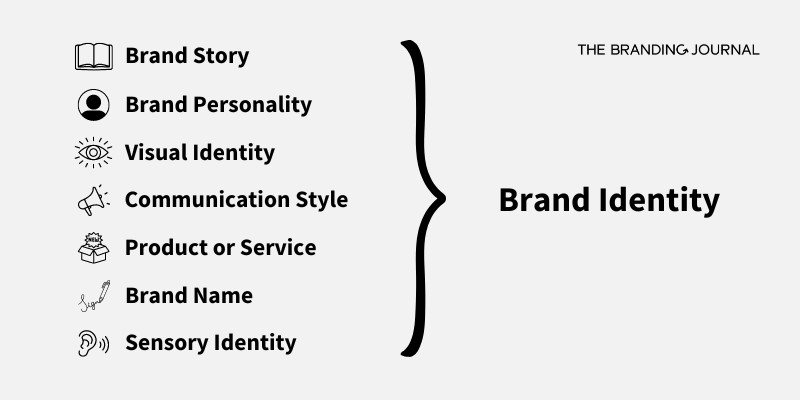
What Is Brand Identity? | The Branding Journal

Preston, MN, thrives on its rich tradition of craftsmanship, and branding irons play a vital role in this heritage. Community engagement events centered around branding not only celebrate this craft but also foster connections among local artisans and the public. These gatherings provide opportunities to learn, share, and appreciate the art of branding in various forms.In Preston, several local events focus on showcasing branding and craftsmanship.

These events serve as a platform for artisans to demonstrate their skills and for the community to engage with the craft. Here are some notable events that highlight branding irons and related craftsmanship:

  • Annual Craft Fair: This event features local artisans showcasing their work, including branding iron demonstrations, allowing attendees to see the process firsthand.
  • Branding Iron Workshop: A hands-on workshop where participants can learn to create their own branding irons while understanding the historical significance of the craft.
  • Artisan Showcase: A summer event dedicated to local artisans, where branding and craftsmanship are highlighted through live demonstrations and talks.

Community workshops play a crucial role in educating the public about branding irons. These workshops not only teach the technical aspects of creating branding irons but also delve into their historical context and significance in local culture. By attending these workshops, participants gain practical skills and a deeper appreciation for the craft:

“Workshops empower individuals to connect with their heritage, fostering a sense of pride in local craftsmanship.”

Local artisans contribute greatly to branding-related events, sharing their experiences and techniques with attendees. Their participation enriches the community’s understanding of branding irons and their applications. These artisans often showcase their unique styles and personal stories, which resonate deeply with audiences. Many report that engaging with the community at these events has led to collaborations, mentorship opportunities, and a renewed passion for their craft.Overall, community engagement through events centered on branding irons not only strengthens local traditions but also creates a vibrant space for learning, creativity, and connection among Preston’s residents.

Conclusion

In conclusion, the significance of branding iron in preston mn extends far beyond mere functionality; it encapsulates the essence of local culture and craftsmanship. As industries evolve and new trends emerge, the future of branding irons looks promising. By embracing innovation while honoring tradition, Preston’s artisans continue to shape their identities and inspire future generations.

Helpful Answers

What materials are branding irons made of?

Branding irons can be made from various materials, including brass, steel, and aluminum, each offering different benefits in terms of durability and heat retention.

How can I customize a branding iron?

Customization typically involves choosing the design, size, and material, which can often be done through local artisans or specialized online services.

What safety precautions should be taken when using branding irons?

Always wear heat-resistant gloves, work in a well-ventilated area, and ensure the branding iron is placed on a stable surface to prevent accidents.

Are there workshops available for learning about branding irons?

Yes, local community workshops often offer classes on how to use and create branding irons, providing hands-on experience and knowledge.

What are some innovative uses for branding irons?

Beyond livestock and woodworking, branding irons can be used for personalizing home décor, creating unique artwork, and even in culinary applications for marking grilled foods.
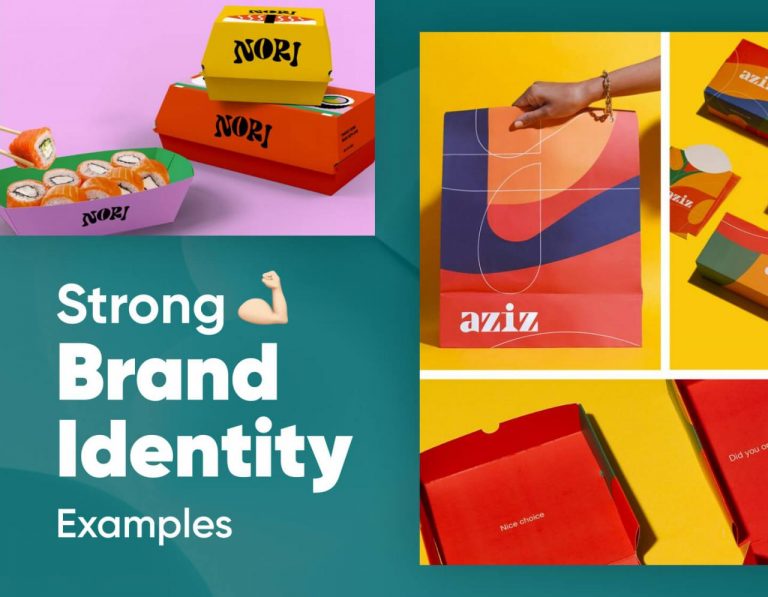
Branding your business Canva is an essential aspect of establishing a strong presence in today’s competitive market. With the rise of digital tools, Canva stands out as a user-friendly platform that empowers business owners, especially those without design backgrounds, to create visually appealing branding materials effortlessly.

From developing a cohesive brand identity to designing marketing materials, understanding how to utilize Canva effectively can elevate your business’s image and foster customer loyalty. This overview will guide you through the significance of branding, the capabilities of Canva, and practical steps to enhance your brand’s visibility and recognition.

Importance of Branding Your Business

Branding is more than just a logo or a catchy tagline; it’s the essence of your business and shapes how customers perceive you. Effective branding establishes a unique presence in the market, which is critical for business success. It allows businesses to differentiate themselves from competitors and build a strong reputation that resonates with consumers.The impact of branding on customer perception is profound.

A strong brand creates familiarity and trust, leading to customer loyalty. When customers identify with a brand, they are more likely to become repeat buyers and advocates for the business. This loyalty can translate into a significant competitive edge, as loyal customers tend to spend more and are less price-sensitive.

Key Elements of a Strong Brand Identity

Establishing a strong brand identity requires thoughtful consideration of several key elements that contribute to how a business is perceived in the market. These elements work together to create a cohesive identity that resonates with the target audience.

  • Logo: A well-designed logo is often the first impression of a brand. It should be distinctive, memorable, and reflect the brand’s values.
  • Color Palette: The colors used in branding can evoke emotions and associations. Consistent use of a color palette helps reinforce brand recognition.
  • Brand Voice: The tone and style of communication affect how customers relate to the brand. A consistent brand voice allows for a more personalized customer experience.
  • Value Proposition: Clearly defining what makes the brand unique helps customers understand why they should choose your products or services over competitors.
  • Customer Experience: The way a brand interacts with its customers at every touchpoint contributes to overall brand perception and loyalty.

Consistency across all branding elements fosters trust and helps establish a lasting relationship with customers.

By emphasizing these key elements, businesses can create a robust brand identity that not only attracts new customers but also fosters lasting loyalty among existing ones. A strong brand identity is essential for long-term success in today’s competitive market.

Overview of Canva as a Branding Tool

Canva has emerged as a significant player in the toolkit of brands and businesses looking to refine their identity and establish a strong visual presence. With its user-friendly interface and diverse functionalities, Canva simplifies the branding process, making it accessible to both professional designers and non-designers alike. Its comprehensive set of features allows users to create visually appealing content that resonates with their target audience.The platform offers an extensive library of templates, graphics, and fonts tailored for various branding needs.

Businesses can effortlessly design everything from social media posts to marketing brochures, ensuring a cohesive brand image across all channels. By leveraging Canva’s powerful features, brands can maintain consistency and creativity in their marketing efforts, which is crucial for building recognition and trust with customers.

Features of Canva that Assist in Branding Efforts

Canva provides a variety of features specifically designed to support branding initiatives. These features include:

  • Customizable Templates: Canva offers thousands of professionally designed templates that can be tailored to fit a brand’s look and feel. Users can adjust colors, fonts, and layouts to align with their brand guidelines.
  • Brand Kit: This feature allows businesses to save their brand colors, logos, and fonts in one place, streamlining the design process and ensuring brand consistency across all materials.
  • Easy Collaboration: Teams can collaborate in real-time, making it easy to gather feedback and make adjustments during the design process. This feature enhances teamwork and speeds up project completion.
  • Variety of Formats: Canva supports a broad range of formats, enabling brands to create various content types—from print materials like business cards and flyers to digital assets such as social media graphics and presentations.
  • Stock Images and Videos: Users have access to a vast library of stock images, videos, and graphics, making it easier to find the right visual assets that encapsulate their branding message.

Real-world examples highlight how businesses have successfully utilized Canva for their branding efforts. For instance, a local coffee shop used Canva to design eye-catching menus and social media posts. By maintaining a consistent visual theme that reflected their brand identity, they were able to attract more customers and boost their online presence. Similarly, a small e-commerce store utilized Canva to create promotional banners and product images, effectively increasing engagement on their website and social media platforms.

Benefits of Using Canva for Non-Designers

Canva is particularly advantageous for non-designers, as it democratizes the design process by offering intuitive tools and resources. The benefits include:

  • User-Friendly Interface: Canva’s drag-and-drop functionality makes it easy for anyone to create designs without extensive graphic design knowledge.
  • Time Efficiency: With ready-made templates and elements, users can create high-quality branding materials in minutes rather than hours.
  • Cost-Effective: Canva offers a free tier with numerous features, making it an affordable option for small businesses and startups with limited budgets.
  • Educational Resources: Canva provides tutorials and design courses that help users improve their skills, empowering them to create even more effective branding materials over time.
  • Accessible Across Devices: Being a cloud-based platform, Canva allows users to work on their designs from anywhere, enhancing flexibility and convenience.

Through these benefits, Canva enables non-designers to contribute actively to their brand’s visual marketing strategy, fostering a more engaged and creative business environment.

Creating a Brand Kit in Canva

Establishing a strong brand identity begins with a well-structured brand kit. In Canva, creating a brand kit is a straightforward process that empowers you to unify your branding efforts across various platforms. A brand kit comprises essential elements such as logos, color palettes, fonts, and brand imagery, all of which contribute to a consistent and recognizable brand presence.

Creating a brand kit in Canva involves a few simple steps, allowing you to consolidate your branding materials in one accessible location. This ensures that your branding remains consistent, no matter where you use it.

Steps to Create a Brand Kit in Canva

To effectively build your brand kit, follow these detailed steps:

  1. Sign In or Create an Account: Begin by signing in to your Canva account. If you don’t have one, creating an account is free and quick.
  2. Access the Brand Kit Feature: From your Canva dashboard, locate the “Brand Kit” option on the left panel. Click on it to enter the brand kit setup area.
  3. Add Your Logo: Upload your logos by clicking the “Upload” button. Ensure you have different variations, such as full-color, black and white, and transparent backgrounds for versatility.
  4. Select a Color Palette: Choose a color palette that reflects your brand identity. You can either input hex codes for precise colors or use the color picker tool to select shades that resonate with your brand.
  5. Choose Brand Fonts: Select fonts that align with your brand’s voice. Canva offers a variety of free and premium fonts. Ensure the chosen fonts are readable and versatile for different applications.
  6. Incorporate Brand Images: Upload images that represent your brand, such as patterns or backgrounds that fit within your brand aesthetic. This adds depth and character to your brand kit.
  7. Save Your Brand Kit: Review all elements, and once satisfied, save your brand kit. You can always return to update or modify your brand assets as needed.

Elements to Include in a Brand Kit

A comprehensive brand kit contains several core elements that define your brand’s visual identity. Including the following components helps in maintaining a coherent look across all marketing materials:

  • Logos: Various versions of your logo (e.g., horizontal, vertical, icon only) to ensure adaptability across different contexts.
  • Color Palettes: Primary and secondary color schemes that effectively convey your brand’s message and emotion.
  • Typography: A selection of fonts for headings, body text, and any special text—ensuring that the font choices complement each other.
  • Brand Imagery: Any specific images or graphics that reflect your brand ethos and can be used in promotional materials.
  • Icons and Graphics: A set of icons that represent your brand’s key services or products can also be included.

Ensuring Consistency with a Brand Kit

Maintaining consistency in branding is crucial for building trust and recognition among your audience. The brand kit serves as a reference guide, ensuring that anyone creating content on behalf of your brand adheres to your established visual identity. A well-maintained brand kit provides clarity on color usage, typography, and logo placement, which can significantly reduce design errors and misrepresentation.

“Consistency in branding enhances recognition and builds trust with your audience.”

By regularly reviewing and updating your brand kit in Canva, you can adapt to any changes in your brand strategy while ensuring that all visual representations remain aligned with your overall branding goals. This approach not only simplifies the design process but also strengthens your brand’s identity in the marketplace.

Designing Marketing Materials Using Canva

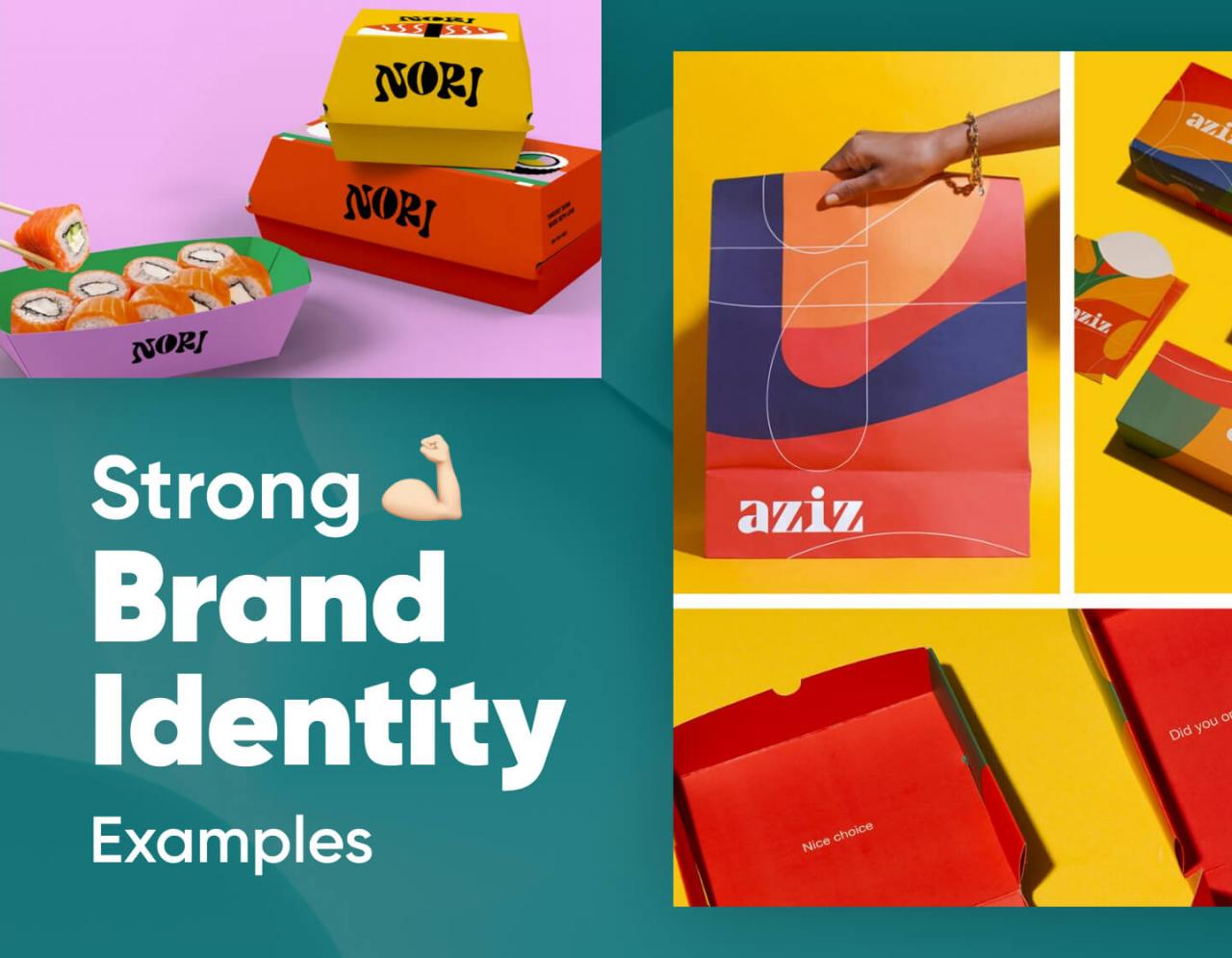
What Is Brand Identity - vrogue.co

Creating effective marketing materials is essential for any business looking to establish its presence in the market. Canva provides a versatile platform where businesses can design a variety of marketing materials effortlessly, allowing for creativity without requiring advanced design skills. This section will explore the types of materials you can create using Canva, along with methods to ensure your marketing efforts are visually consistent and impactful.

Types of Marketing Materials Designed in Canva

Canva allows users to design a wide range of marketing materials, ensuring that businesses can communicate their brand effectively across different mediums. Here are some of the materials you can create:

  • Social Media Posts: Canva offers templates for platforms like Instagram, Facebook, and Twitter, making it easy to design eye-catching posts that engage your audience.
  • Flyers: Create vibrant flyers for events, promotions, or announcements that can be printed or shared digitally.
  • Business Cards: Design professional business cards that leave a lasting impression during networking opportunities.
  • Brochures: Utilize Canva to design informative brochures that highlight products or services, providing essential details in a visually appealing format.
  • Email Newsletters: Craft visually appealing email templates that maintain brand consistency while delivering updates and promotions to your audience.

Methods for Creating Marketing Materials

Designing marketing materials in Canva is straightforward. Here’s how you can effectively create social media posts, flyers, and business cards:

  • Social Media Posts: Start by selecting a template specific to the social media platform. Customize with your brand colors, fonts, and images. Use high-quality visuals to grab attention and make sure to include concise, engaging text.
  • Flyers: Choose a flyer template that resonates with your target audience. Incorporate graphics and relevant information, maintaining a balance between visuals and text. Save your design in a suitable format for printing or digital distribution.
  • Business Cards: Select a business card template and personalize it with your logo, contact information, and brand colors. Consider using both sides of the card to maximize space and impact.

Importance of Visual Consistency Across Different Materials

Maintaining visual consistency across various marketing materials is crucial for brand recognition and professionalism. When all your materials adhere to the same style guide, it strengthens your brand’s identity and makes it easily recognizable to your audience.

“Visual consistency not only enhances brand recognition but also builds trust and credibility with your audience.”

This approach involves using the same color palette, font styles, and logo placements throughout all marketing materials. By doing so, businesses can create a cohesive look that reinforces their branding message and ensures that customers can easily identify their materials, regardless of the platform or format.

Leveraging Templates for Branding

Canva offers a wealth of templates specifically designed to enhance your branding efforts. These templates serve as foundational tools that allow businesses to maintain a consistent visual identity across various marketing platforms. By leveraging these pre-designed assets, businesses can save time and ensure that their materials resonate with their target audience.Customizing templates in Canva is a straightforward process that enables you to align designs with your brand identity.

Each template can be tailored to reflect your unique logo, color palette, and typography choices. Canva allows users to modify text, images, and elements easily, ensuring your brand’s voice and aesthetic are cohesively presented.

Types of Templates Available for Branding

Canva provides a diverse range of templates suitable for various branding needs. Understanding these types aids in selecting the most fitting options for your marketing requirements. Here are some key categories:

  • Business Cards: Essential for networking, these templates allow you to showcase your brand’s logo and contact information in a professional format.
  • Social Media Posts: Pre-designed posts for platforms like Instagram, Facebook, and Twitter that ensure your brand message is consistent and engaging.
  • Flyers and Brochures: Perfect for promoting products or services, these templates enable you to present detailed information attractively.
  • Presentations: Templates designed for pitches and meetings, allowing you to convey your ideas visually while maintaining brand consistency.
  • Infographics: Help in visually representing data and information, making complex topics easier to understand while reinforcing brand identity.

Customizing Templates to Align with Brand Identity

Once you’ve selected a template, customization is key to ensuring that it aligns with your brand identity. Here are some effective strategies to achieve this:

  • Brand Colors: Use your brand’s color palette to replace the template’s default colors, creating a cohesive look that represents your business.
  • Typography: Select fonts that match your brand’s voice. Canva allows you to upload custom fonts or choose from a wide array of available options.
  • Logo Integration: Incorporate your logo into the design. Position it prominently on business cards, flyers, or social media posts to enhance brand recognition.
  • Imagery: Replace template images with high-quality visuals that reflect your brand’s personality. Use original photography or curated stock images that resonate with your target audience.

Tips for Selecting the Right Template for Various Marketing Needs

Choosing the right template is crucial for effectively communicating your brand message. Consider the following factors when making your selection:

  • Target Audience: Understand who you are trying to reach. Select a template style that appeals to their preferences and expectations.
  • Purpose of Marketing Material: Identify the primary goal of the material, whether it’s to inform, persuade, or entertain, and choose a template that aligns with that purpose.
  • Brand Personality: Match the design style of the template with your brand personality. A playful brand may benefit from bright colors and fun graphics, while a luxury brand should opt for minimalist designs and elegant fonts.
  • Medium of Distribution: Consider where your material will be used. For social media, select eye-catching templates optimized for digital engagement, while print materials may require templates that focus on clarity and readability.

By leveraging Canva’s templates, businesses can craft professional marketing materials that reinforce their brand identity, ensuring a consistent and impactful presence in the marketplace.

Collaborating with Teams on Canva

Effective branding requires collaboration, especially when multiple team members are involved. Canva offers a seamless way for teams to work together on branding initiatives, ensuring that everyone can contribute their ideas while maintaining a consistent brand image. The platform’s collaborative features are designed to enhance communication and streamline the design process, which leads to a more cohesive final product.When working on branding projects in Canva, sharing designs and collaborating with team members is straightforward.

Each team member can access the same design files, making it easier to provide input and suggestions. This communal approach also helps maintain branding consistency across various materials, from marketing collateral to social media posts.

Sharing and Collaborating on Branding Projects

To begin collaborating on branding projects, you can easily share files with your team. Here are the steps and benefits involved in this process:

  • To share a design, click on the “Share” button located in the top-right corner of the Canva interface. You can enter email addresses or create a shareable link.
  • Team members can be granted different levels of access, ranging from viewing to editing permissions, allowing for flexible collaboration tailored to the project’s needs.
  • Using folders can help organize projects by team or campaign, simplifying the process of locating specific designs.

The benefits of teamwork in Canva extend beyond just access to files. Collaboration enhances branding consistency in several ways:

  • Multiple perspectives can lead to richer ideas and innovations that reinforce brand values.
  • Consistent communication reduces the likelihood of misalignment on brand messaging and visuals.
  • Real-time collaboration allows for quicker decision-making, getting designs to market faster while maintaining quality.

Using Commenting Features for Feedback and Revisions

Canva’s commenting features play a crucial role in the revision process. Team members can leave feedback directly on specific elements of a design, facilitating clearer communication and ensuring that everyone is on the same page. The comments can include suggestions for adjustments or express approval for certain aspects of the design.The process of using comments for feedback in Canva works as follows:

  • Click on any element within the design to leave a comment related to that specific item, ensuring clarity on what the feedback refers to.
  • Team members can reply to comments, creating a discussion thread that helps refine ideas and integrate suggestions.
  • Once changes are made based on feedback, team members can mark comments as resolved, providing an organized way to keep track of revisions.

Utilizing these features effectively ensures each team member’s input is valued and considered, resulting in a stronger, more cohesive brand strategy that reflects the collective vision of the team. In this collaborative environment, teams can produce branding materials that not only resonate with their audience but also stand out in a competitive market.

Measuring the Effectiveness of Branding Efforts

To ensure that your branding initiatives are making an impact, it’s crucial to measure their effectiveness. This involves tracking various metrics and utilizing tools to evaluate how well your brand is resonating with your target audience. Understanding these elements can help refine your branding strategy, ensuring that your efforts translate into tangible results.One of the first steps in measuring branding effectiveness is to establish clear methods for tracking success.

This may include setting specific goals for brand awareness and perception, which can then be quantitatively analyzed. Here are some key metrics and techniques that can be utilized to gain insights into your branding initiatives:

Methods for Tracking Brand Success

Establishing a framework for evaluating branding efforts helps in understanding their effectiveness. Below are some methods and metrics that can be applied:

  • Surveys and Questionnaires: Deploying surveys to your audience can provide direct feedback on brand perception, recognition, and loyalty. Questions can be designed to assess how well your brand values resonate with customers.
  • Social Media Analytics: Monitoring engagement metrics such as likes, shares, comments, and follower growth on various platforms can indicate brand awareness and resonance. Tools like Hootsuite and Buffer offer analytics to track these metrics.
  • Website Analytics: Using tools like Google Analytics can help track website traffic, bounce rates, and user behavior. Increases in direct traffic often correlate with improved brand recognition.
  • Brand Mentions: Tools like Mention or Brand24 allow you to monitor online conversations surrounding your brand, revealing insights into public perception and sentiment.

Metrics for Evaluating Brand Awareness

Awareness is a critical component of branding, and several metrics can help quantify this aspect effectively:

  • Brand Recall: Measuring how easily customers can recall your brand in a given category is a strong indicator of brand awareness. This can be assessed through surveys that test recall without prompts.
  • Reach and Impressions: Tracking the number of people who have seen your marketing materials or social media posts offers insights into your brand’s visibility.
  • Share of Voice (SOV): This metric compares your brand’s mentions to those of competitors, highlighting your brand’s overall presence in the market.

Tools and Techniques for Assessing Brand Perception

Understanding how your brand is perceived by customers is vital for growth. Employing the right tools can provide a nuanced view of customer sentiment:

  • Net Promoter Score (NPS): NPS gauges customer loyalty by asking how likely customers are to recommend your brand to others, thereby providing a snapshot of brand satisfaction.
  • Sentiment Analysis: Utilizing AI-driven tools like Lexalytics or MonkeyLearn can help analyze customer feedback, reviews, and social media mentions, categorizing them as positive, negative, or neutral.
  • Focus Groups: Conducting targeted focus groups can provide qualitative insights into how your brand is viewed, allowing for deeper conversations that numbers alone can’t capture.

Measuring the effectiveness of branding efforts is essential for ensuring continued growth and relevance in a competitive market.

Case Studies of Successful Branding with Canva

Many businesses have harnessed Canva’s capabilities to significantly elevate their branding efforts. This section highlights a few notable case studies that showcase how companies have effectively utilized Canva to create impactful branding strategies, leading to impressive results and valuable lessons learned.

Startup Success: The Coffee Cart

The Coffee Cart, a local coffee startup, utilized Canva to build its brand identity from the ground up. Their strategy involved creating a cohesive brand kit that included a logo, color palette, and font selection. By using Canva’s easy-to-navigate interface, they designed visually appealing marketing materials such as business cards, menu boards, and social media graphics.The results were remarkable. Within six months, The Coffee Cart saw a 40% increase in customer engagement on social media platforms and doubled their foot traffic.

Key lessons learned from this case include the importance of maintaining a consistent visual identity and the effectiveness of leveraging Canva’s tools to save time and resources.

E-commerce Evolution: Vintage Vibes

Vintage Vibes, an online retail store specializing in retro clothing, turned to Canva to enhance their branding strategy and better connect with their target audience. The company focused on creating eye-catching product graphics and promotional banners that reflected their unique style. Canva’s extensive template library allowed them to maintain a fresh and trendy aesthetic.As a result, Vintage Vibes experienced a 50% boost in conversion rates after revamping their marketing materials.

The major takeaway from their journey is the value of audience-centric design and the ability to quickly adapt branding elements to align with current trends using Canva.

Nonprofit Narrative: Green Earth Initiative

Green Earth Initiative, an environmental nonprofit, successfully leveraged Canva to raise awareness and funds for their cause. By developing a strong brand presence across various platforms, they created infographics and educational materials that effectively communicated their mission. Canva’s collaboration features enabled their team to work seamlessly on campaigns and presentations.The outcome was a notable increase in donations and volunteer sign-ups, with a 60% uptick in community engagement during their awareness month.

This case illustrates the power of clear messaging and the importance of visually compelling storytelling in nonprofit branding efforts.

Corporate Branding: Tech Innovators Inc.

Tech Innovators Inc., a technology consulting firm, utilized Canva to streamline its branding process across different departments. By creating a centralized brand kit, they ensured uniformity in presentations, reports, and marketing collateral. They also took advantage of Canva’s collaborative tools to facilitate input from various team members.The firm reported a 30% reduction in design costs and a more efficient workflow.

Their experience emphasizes the significance of brand consistency and the need for collaborative tools in larger organizations, particularly when branding efforts span multiple teams and projects.

“Effective branding is not just about aesthetics; it’s about creating a connection with your audience.”

Overall, these case studies highlight the diverse ways businesses can utilize Canva for branding, showcasing strategies that lead to tangible results while providing valuable insights for others looking to elevate their branding game.

Ultimate Conclusion

In conclusion, mastering branding your business Canva not only allows you to create eye-catching materials but also ensures that your brand communicates a consistent message. By implementing the strategies discussed, you can leverage the powerful features of Canva to enhance your brand identity, engage your audience, and ultimately drive your business’s success. Remember, effective branding is an ongoing journey, and with the right tools and insights, you’ll be well on your way to standing out in the marketplace.

Popular Questions

What is the importance of branding for my business?

Branding helps establish your business’s identity, builds customer loyalty, and differentiates you from competitors, making it crucial for long-term success.

Can anyone use Canva for branding?

Yes, Canva is designed for users of all skill levels, allowing non-designers to create professional-quality branding materials easily.

How do I ensure consistency in my branding?

Creating a brand kit in Canva that includes logos, color palettes, and fonts can help maintain consistency across all your marketing materials.

What types of marketing materials can I create with Canva?

Canva allows you to design various marketing materials including social media graphics, flyers, posters, and business cards.

Can teams collaborate on branding projects in Canva?

Absolutely, Canva offers collaboration features that let teams share, comment, and work together on branding projects in real time.

legal business name vs business name on card sets the stage for this enthralling narrative, offering readers a glimpse into a story that is rich in detail and brimming with originality from the outset.

This topic dives into the crucial differences between a legal business name that is registered with the authorities and the name that appears on your business cards. Understanding these distinctions is essential for compliance and effective branding, ensuring that your business is not only legally sound but also resonates with your target audience.

Definition of Legal Business Name

A legal business name is the official name under which a business operates and is recognized by the government. This name is crucial for the registration and legal identification of a business entity. It serves not only as a branding tool but also ensures compliance with local laws and regulations. Establishing a legal business name correctly is fundamental for tax purposes, liability protection, and maintaining a positive credibility in the market.Choosing a legal business name involves certain legal requirements that vary by jurisdiction.

These requirements can include factors such as name availability, uniqueness compared to existing businesses, and adherence to naming conventions specific to different business structures. Understanding these elements is essential to ensuring that the chosen name meets all legal criteria and does not infringe on the rights of other businesses.

Legal Requirements for Choosing a Business Name

When selecting a legal business name, it is important to comply with specific regulations that affect its validity. Below are key requirements that businesses should consider:

  • Name Availability: The chosen name must be unique and not already in use by another registered entity within the same jurisdiction. This helps avoid legal disputes and confusion among consumers.
  • Compliance with Naming Conventions: Different business structures like Limited Liability Companies (LLCs) or Corporations may have specific words that must be included in their names (e.g., “LLC” or “Incorporated”).
  • Prohibition of Misleading Names: The name cannot be misleading regarding the nature of the business or imply affiliations with government agencies unless such affiliations exist.
  • Trademark Considerations: Before finalizing a business name, it is crucial to check for existing trademarks to avoid infringing on another company’s intellectual property rights.

Examples of legal business names vary based on the type of business entity established:

  • For a Limited Liability Company (LLC), an example could be “Green Valley Landscapes, LLC.”
  • A Corporation might use a name like “Tech Innovations Incorporated.”
  • Sole proprietorships, while generally less formal, can still have legal names such as “Smith’s Bakery” if registered accordingly.

Adhering to these guidelines not only legitimizes a business but also builds a strong foundation for its brand identity and operational success.

Understanding Business Name on Cards

When it comes to distinguishing between a legal business name and the name that appears on business cards, clarity is essential. The legal business name is the official title under which a company registers to conduct business, while the business name on cards is often more creative or market-friendly, designed to resonate with customers and clients. Understanding this difference is crucial for effective branding and marketing strategies.The choice of a business name for cards is not just about compliance; it’s a strategic decision that can significantly impact how a business is perceived in the marketplace.

A compelling business name can convey the essence of the brand, evoke certain emotions, and create a memorable impression. Here are several factors to consider when selecting a business name for cards, highlighting its importance in branding and marketing.

Differences in Business Names

The contrast between a legal business name and a business name used on cards can be summarized as follows:

  • Legal Business Name: This is the formal name registered with government authorities, often required for legal documents, tax purposes, and contracts.
  • Business Name on Cards: This name is typically more engaging and market-oriented, designed to attract customers. It may differ from the legal name to make it more memorable or relevant to the target audience.

Choosing a name for business cards typically involves a blend of creativity and strategy. A business name should reflect the core values or offerings of the company while being catchy and easy to remember. This is where branding comes into play, as a well-chosen name can enhance marketing efforts, making it easier to establish a brand identity and connect with potential customers.

Creative Business Name Examples

There are numerous instances where businesses have opted for creative names that diverge from their legal business names, effectively leveraging branding strategies to make a greater impact. Here are some notable examples:

  • Legal Name: “The Ice Cream Factory”
    Business Name on Card: “Chill & Swirl” – This name adds a playful twist, making it more appealing to a younger audience.
  • Legal Name: “Smith & Johnson Consulting”
    Business Name on Card: “BrightPath Advisors” – This name positions the business as a forward-thinking entity, focusing on guidance and progress.
  • Legal Name: “All Things Home Improvement”
    Business Name on Card: “Fix It Right” – A concise, action-oriented name that communicates reliability and expertise.

“A business name is often the first impression your brand makes; choose wisely to ensure it aligns with your identity and appeals to your audience.”

These examples illustrate how businesses can effectively use a more customer-friendly name on their cards to foster deeper connections with their target market, while still maintaining their legal identity for formal purposes. The dual approach allows companies to navigate both legal requirements and marketing opportunities adeptly.

Importance of Distinguishing Between the Two Names

Clearly differentiating between a legal business name and a business name used on cards is crucial for various reasons, particularly from a legal standpoint. Businesses often operate under names that are distinct from their registered legal entity name, which can lead to significant legal implications if not managed appropriately. Understanding these differences can mitigate risks and enhance clarity in business operations.

Legal implications arise from the use of a business name that differs from the legal business name, as this can lead to confusion among clients, suppliers, and regulatory bodies. A legal business name is the official name under which a business is registered, whereas the name on business cards may be a more casual or brand-focused version. If a business does not consistently use its legal name, it can result in challenges regarding contracts, legal proceedings, and even tax obligations.

For instance, if a business named “Tech Innovations LLC” uses “Tech Innovations” on its marketing materials, it may face difficulties enforcing contracts or receiving payments if the other parties are unfamiliar with the legal entity’s name.

Scenarios of Potential Confusion Due to Naming Differences

In various scenarios, the divergence between a legal business name and the name used on cards can lead to misunderstandings and complications. Consider the following situations where confusion may arise:

  • Client Relationships: A client may refer to “Creative Designs” when discussing a project, while the legal entity is registered as “Creative Designs LLC.” If there is a dispute, the absence of a clear connection between the two names could complicate legal recourse.
  • Banking Issues: Banks may require the legal name for opening accounts or processing transactions. If a business is known by a different name, it can lead to issues in accessing funds or making payments.
  • Contract Enforcement: In legal contracts, using a different name may render an agreement unenforceable. For example, if a service agreement is signed with a business name that does not match the legal entity, the courts may not uphold it.
  • Brand Recognition vs. Legal Identity: While a catchy business name can enhance marketing efforts, if it does not align with the legal name, it may confuse consumers who are seeking to verify the legitimacy of the business.

The risks of misrepresentation in business naming include potential legal penalties, loss of credibility, and financial repercussions. Misrepresentation can occur if a business operates under a name that is misleading or not registered, leading to claims of fraud or deceptive practices. It is essential for businesses to maintain consistency in their naming conventions to foster trust and transparency among stakeholders.

Maintaining clarity and consistency with business names is not just good practice; it is a legal necessity that protects against potential disputes and fosters credibility.

Registration and Compliance

Registering a legal business name is a crucial step for any entrepreneur aiming to establish a legitimate and recognized business entity. This process can vary significantly depending on the region, and understanding the compliance requirements is essential for ensuring that the business name used in marketing materials aligns with legal standards.

Process for Registering a Legal Business Name

The registration process for a legal business name typically involves several steps, which may differ based on local regulations. Generally, the process includes:

1. Name Search

Before registering, it’s important to conduct a name search to ensure that the desired business name is not already in use. Many regions provide online databases for this purpose.

2. Filing Requirements

After confirming name availability, businesses must complete the necessary paperwork, which may include a registration form and details about the business owners.

3. Payment of Fees

Most jurisdictions require a fee for processing the registration, which can vary widely depending on the location and type of business.

4. State or Local Agency Submission

The completed registration forms and payment should be submitted to the relevant state or local agency, such as the Secretary of State or a local business registration office.

5. Receiving Confirmation

Once processed, businesses will receive official confirmation of their registered name, which may take a few days to several weeks.

Compliance Requirements for Using a Business Name

When using a business name on marketing materials, compliance with local laws is vital. Businesses must ensure that their marketing does not mislead consumers or infringe on existing trademarks. Important compliance considerations include:

Truth in Advertising

The business name must accurately reflect the services or products offered to avoid deceptive practices.

Trademark Regulations

If the business name is trademarked, it must be used in accordance with trademark laws to protect intellectual property.

Business Structure Disclosure

In many regions, marketing materials must disclose the business structure (e.g., LLC, Corporation) if applicable, particularly for legal and liability reasons.

Privacy Regulations

If collecting customer data, compliance with privacy laws, such as GDPR in Europe or CCPA in California, is essential.

Checklist for Business Name Legal Alignment

To ensure that a business name on cards aligns with legal requirements, consider the following checklist:

Verify Name Availability

Ensure the name is not already in use or trademarked.

Complete Registration Process

Follow the required steps for registering the business name in your region.

Check Compliance with Advertising Laws

Review marketing materials to ensure they comply with truth-in-advertising standards.

List Business Structure

If applicable, include the legal structure of the business on your marketing materials.

Review Trademark Considerations

Confirm that the name’s use does not conflict with existing trademarks.

Maintain Privacy Compliance

Ensure adherence to local data protection regulations when collecting customer information.

Following this checklist will help protect your business from legal issues related to name usage.

By diligently adhering to these registration and compliance processes, businesses can establish a credible presence in the marketplace while avoiding potential legal pitfalls.

Branding Strategies

Creating a strong brand is essential for any business, as it helps to build recognition and loyalty among customers. A well-crafted business name is a critical element of this branding strategy. It not only represents the essence of what the business stands for but also has the potential to communicate its values and personality effectively. This section delves into effective branding strategies that leverage business names to enhance market presence.Successful branding initiatives often hinge on the uniqueness and memorability of a business name.

A memorable name can be a powerful tool in establishing a brand’s identity. Here are some notable examples of businesses that have utilized distinctive names to achieve successful branding:

Examples of Successful Branding Initiatives

Effective branding initiatives can be observed in various sectors, where unique business names have made a significant impact. The following highlights those examples, showcasing how a strong name correlates with brand success:

  • Apple: Initially named “Apple Computer, Inc.,” the shift to simply “Apple” allowed the company to broaden its brand beyond computers to a lifestyle brand associated with innovation and design.
  • Google: The quirky name, derived from the mathematical term “googol,” reflects the company’s mission to organize vast amounts of information on the internet, making it both memorable and meaningful.
  • Uber: The name signifies “above” or “over” in German, which aligns with their goal of providing a superior transportation experience, contributing to their global brand recognition.
  • Toyota: The name is derived from the founder’s name, Kiichiro Toyoda, but the branding strategy emphasizes reliability and innovation, making the brand synonymous with quality automobiles.

Creating a memorable business name is a strategic endeavor that can significantly enhance marketing efforts. Here are some methods to develop a name that resonates with the target audience:

Methods for Creating a Memorable Business Name

To craft a business name that stands out, consider the following strategies. Each method contributes to the brand’s overall effectiveness and memorability:

  • Simplicity: Choose a name that is easy to pronounce and spell. This reduces confusion and makes it easier for customers to remember. A simple name like “Nest” for a home goods company fosters accessibility.
  • Relevance: Ensure the name reflects the essence of the business or its offerings. For instance, “FreshBooks” immediately conveys the idea of fresh, easy-to-use accounting solutions.
  • Creativity: Use unique or invented words that pique curiosity. Names like “Kodak” or “Spotify” are memorable because they are distinctive and evoke interest.
  • Emotional Connection: Select a name that resonates emotionally with your audience. “Warby Parker” not only suggests the founders’ names but also invokes a sense of sophistication and style in eyewear.

Choosing a business name is not just about identity; it’s about creating a lasting impression in the marketplace.

Case Studies

Navigating the distinctions between a legal business name and a brand name can be a pivotal factor for businesses in achieving their goals. Firms that effectively manage their legal identity alongside their branding efforts often see enhanced credibility, consumer trust, and market presence. The following case studies illustrate how specific companies have adeptly navigated these waters, providing valuable insights into their approaches and the lessons learned.

Case Study: Apple Inc.

Apple Inc. is a prime example of a company that has skillfully balanced its legal name and branding. Originally named Apple Computer, Inc., the company rebranded to simply “Apple Inc.” to reflect its expansion beyond just computers into a broader range of consumer electronics. This shift underscored its brand identity while aligning with its legal name.The legal name change was strategically aligned with its product evolution and marketing campaigns.

Apple maintained its established brand equity while legally conforming to newer market realities. The focus on innovative branding helped Apple become a household name associated with quality and cutting-edge technology.

“Apple’s legal name change was not just a formality; it was a strategic decision that paved the way for global brand recognition.”

Case Study: Starbucks

Starbucks Corporation showcases another effective navigation of legal and brand identity. While its legal name is Starbucks Corporation, its integration of the brand “Starbucks” has become synonymous with premium coffee culture. The company has also utilized different names for various product lines, such as “Teavana” for its tea products.By distinguishing between its legal name and brand names, Starbucks has built a robust marketing strategy that resonates with customers.

Each brand name reflects the essence of the products offered, while the legal name remains a corporate entity that encompasses the entire operation.

“Starbucks exemplifies how a strong brand can enhance customer loyalty while the legal name serves as a solid foundation.”

Case Study: The Coca-Cola Company

The Coca-Cola Company began as a small pharmacy business before growing into a global powerhouse. Its legal name has remained consistent, allowing the brand “Coca-Cola” to flourish as a symbol of refreshment and enjoyment worldwide. The company has also acquired several brands, including Sprite and Fanta, which operate under their distinct identities while still being part of the parent corporation.Coca-Cola’s ability to maintain a singular legal identity while nurturing various brands highlights the importance of clarity and consistency.

The outcomes have reinforced consumer trust and brand loyalty, showcasing the effectiveness of a unified corporate structure.

“Coca-Cola demonstrates that a well-defined legal structure can coexist with diverse brand expressions, ultimately driving greater market impact.”

Lessons Learned

The case studies of Apple, Starbucks, and Coca-Cola emphasize crucial lessons in distinguishing between a legal business name and a brand name. Key takeaways include:

  • Aligning legal name changes with strategic branding can enhance market presence.
  • Utilizing brand names to differentiate product lines can foster customer loyalty.
  • A clear legal identity supports diverse branding strategies, providing a solid foundation for growth.

These examples illustrate that understanding the relationship between legal and brand names can significantly influence a business’s success trajectory.

Common Misconceptions

Many business owners often confuse their legal business name with the name they use on their business cards. This mix-up can lead to significant implications for branding, compliance, and customer trust. Understanding the distinctions between these names is crucial in navigating the business landscape effectively.Misconceptions surrounding legal business names and business names on cards can cloud judgment and lead to operational inefficiencies.

For instance, some may think that having a catchy business name on a card is sufficient for branding, while the legal name is merely a formality that doesn’t require much attention. This misconception can compromise brand identity and legal standing.

Misconceptions About Legal Names and Business Cards

Several widespread misconceptions can lead to misunderstandings regarding legal business names and the names displayed on business cards. Clarifying these points can prevent complications and enhance operational effectiveness:

  • Misconception 1: The legal business name is irrelevant to consumers.
  • The legal business name is essential for credit applications, tax obligations, and legal compliance, affecting how customers perceive the professionalism of the business.

  • Misconception 2: Any name can be used for marketing regardless of registration.
  • Using a name that is not legally registered can result in legal challenges, including trademark infringement claims from other businesses.

  • Misconception 3: Once registered, the legal business name never needs to change.
  • Changes in ownership, structure, or branding strategy may necessitate a re-evaluation and potential alteration of the legal business name.

  • Misconception 4: Business cards can feature any name without consequence.
  • Using a name that differs from the legal name can lead to confusion among customers and potential issues with contracts, banking, and tax filings.

  • Misconception 5: Legal names and business names must always be identical.
  • While the legal name and the name on marketing materials can differ, it is vital to establish a clear connection to maintain transparency and trust with customers.

Understanding these misconceptions helps business owners align their operations with legal requirements and marketing strategies. Addressing these points can lead to better compliance, stronger branding, and more effective customer engagement.

Future Trends

As businesses evolve in a rapidly changing environment, the way they approach naming and branding is also shifting. Emerging trends are being shaped by advancements in technology, changing consumer behaviors, and the ongoing development of digital marketing strategies. Understanding these trends is crucial for businesses planning their future identity and market positioning.One of the most significant influences on business naming and branding is the rise of digital marketing.

In an increasingly online world, how a business presents its name can dramatically affect its visibility and consumer engagement. Companies are now focusing on creating memorable, searchable, and easily brandable names that perform well in search engines and social media platforms.

Emerging Trends in Business Naming

Several trends are gaining traction in the way businesses choose their names and establish their brands. These trends reflect the current demands of the digital landscape and consumer preferences.

  • Simplicity and Memorability: Businesses are opting for shorter, simpler names that are easier to remember and pronounce. This trend helps in creating a strong brand recall.
  • Domain Availability: With the digital marketplace booming, ensuring the availability of a corresponding domain name is crucial. Many businesses incorporate this factor into their naming process.
  • Creative Spellings: Unique spellings or phonetic variations are becoming popular as companies strive for originality while conveying their business essence in a catchy manner.
  • Inclusivity and Diversity: Names that reflect inclusivity and diversity are garnering attention, as consumers increasingly favor brands that embrace social responsibility and cultural awareness.
  • Use of s: Incorporating relevant s into business names can enhance search engine optimization (), making it easier for potential customers to find businesses online.

The Impact of Digital Marketing

Digital marketing plays a pivotal role in how businesses present their names and engage with consumers. The online presence of a brand can significantly influence consumer perception and decision-making.Blockquote: “A strong online identity can make or break a brand in today’s digital landscape.”With the rise of social media platforms and online marketplaces, businesses are now required to be more strategic about how they communicate their names and branding.

Visual branding elements, such as logos and color schemes, are designed to be impactful across various digital platforms, ensuring coherence and recognition.

Predictions for the Future of Naming Practices

As we look ahead, several predictions can be made regarding the future of legal and business naming practices.

  • Increased Focus on Personalization: Businesses are likely to adopt more personalized naming strategies, reflecting their unique values and connecting emotionally with their target audience.
  • Rise of Hybrid Names: Combining elements from different languages or cultures could become more common, reflecting globalization and appealing to diverse markets.
  • Utilization of AI in Naming: Artificial intelligence tools may assist businesses in generating name ideas based on market data, cultural trends, and consumer feedback, leading to more data-driven naming decisions.
  • Emphasis on Sustainability: As consumers become more environmentally conscious, names that represent sustainability and eco-friendliness may gain popularity in branding.
  • Expansion of Non-Traditional Domains: With the introduction of new domain extensions, businesses might explore unconventional naming strategies, enabling more creative freedom while ensuring brand relevance.

Concluding Remarks

In conclusion, distinguishing between a legal business name and a business name on cards is vital for any entrepreneur. By grasping the nuances of each, you can navigate the complexities of business registration, marketing, and brand identity with confidence. Ultimately, making informed choices about your business naming strategy can lead to enhanced credibility and recognition in the marketplace.

Question Bank

What is the main difference between a legal business name and a business name on a card?

The legal business name is the official name registered with the government, while the business name on a card is often more creative and used for branding purposes.

Do I have to use my legal business name on all marketing materials?

While it’s not mandatory to use your legal name in marketing, you must ensure that the name you use complies with local laws and isn’t misleading.

Can I change my business name later on?

Yes, you can change your business name, but you’ll need to follow the legal process for re-registration and update your marketing materials accordingly.

Are there any risks in using a different name on my business cards?

Yes, using a different name can lead to confusion, potential legal issues, and misrepresentation of your business if not handled carefully.

How do I ensure compliance with naming regulations?

Research your local regulations on business naming and follow established guidelines when creating and using a business name.

Crafting your own branding iron for wood opens up a world of creative possibilities for woodworkers. This guide dives deep into the process, from selecting the right materials to achieving the perfect branding effect. We’ll explore the intricacies of design, heating, and application, ensuring a safe and effective experience.

Imagine the satisfaction of creating a unique, personalized mark on your wooden creations. This guide will equip you with the knowledge and techniques needed to design, fabricate, and apply a branding iron, ultimately enhancing your woodworking projects and elevating your brand identity.

Materials & Tools

Crafting a custom branding iron for wood requires careful consideration of materials and tools. A well-constructed iron, made from the right metal and with a suitable handle, will ensure longevity and effective results. This section will detail the necessary components and their importance in achieving a quality branding tool.

Metal Selection

Choosing the right metal is paramount for a durable and effective branding iron. Different metals offer varying properties in terms of heat retention, hardness, and resistance to wear. The selection should align with the desired branding depth and the type of wood being marked.

  • Steel Alloys: High-carbon steel alloys are a popular choice for their hardness and ability to maintain a sharp, consistent brand. Stainless steel, while resistant to rust, often lacks the necessary hardness for deep imprints and may require a harder, more specialized treatment.
  • Cast Iron: Cast iron offers excellent heat retention, making it suitable for quickly transferring heat to the wood. However, its brittleness can lead to chipping if not handled carefully during the shaping process.
  • Tool Steel: Specific types of tool steel, often high-carbon or alloy varieties, are preferred for their hardness and ability to withstand the repeated heating and cooling cycles associated with branding. The precise alloying agents and carbon content determine the specific characteristics of the steel.

Heating Methods

Selecting the appropriate heating method is crucial for achieving consistent and controlled temperatures. Safety should always be prioritized during the heating process.

  • Forges: Forges, whether propane or charcoal-fueled, provide a controlled environment for heating the iron to high temperatures. They allow for precise temperature control and are generally suitable for higher-volume branding projects. Proper ventilation is essential when using a forge.
  • Gas Burners: Portable gas burners offer a convenient heating option. However, maintaining a consistent temperature and avoiding overheating are important considerations. Close supervision and proper ventilation are critical for safety.
  • Electric Heaters: Electric heaters, like specialized heating elements, can provide controlled heating for specific branding tasks, offering consistent temperature profiles. However, these may not be ideal for high-volume applications.

Handle Considerations

The handle design is crucial for comfortable and safe operation. Consider the size and shape of the handle, along with its material.

  • Wood Handles: Wooden handles offer a good grip, but may not withstand the high temperatures required for branding as effectively as other materials. A heat-resistant coating can be applied to wooden handles to increase their longevity.
  • Metal Handles: Metal handles provide excellent heat resistance, but can feel less comfortable in extended use. A non-slip surface or textured coating on the metal can improve grip.
  • Ergonomic Handles: Handles designed with ergonomic principles in mind can enhance comfort and reduce hand fatigue, particularly for repeated use. The handle’s shape and material should be tailored to the user’s hand size and grip style.

Importance of Material Selection

The durability and effectiveness of the branding iron are directly linked to the quality of the materials chosen. The chosen metal’s ability to retain heat, its hardness, and its resistance to wear and tear all play a critical role in the longevity and effectiveness of the branding process.

Metal Type Comparison

Metal Type Pros Cons
High-Carbon Steel Excellent hardness, good heat retention, creates sharp brands. Can be brittle if not properly treated, can be more expensive than other options.
Cast Iron Excellent heat retention, relatively inexpensive. Brittle, can chip easily, may require more heat to reach branding temperature.
Tool Steel High hardness, durability, capable of maintaining a sharp edge over repeated use. Can be more expensive than other options, requires more specialized knowledge for selection.

Design & Fabrication

Crafting a bespoke branding iron involves careful consideration of both aesthetic appeal and practical functionality. The design process should seamlessly integrate the desired branding message with the iron’s form and dimensions. This section details the key steps involved in creating a unique and effective branding iron.The creation of a custom branding iron necessitates a deep understanding of the metalworking process and the desired aesthetic outcome.

Factors like the type of wood being branded, the desired depth of the mark, and the overall design aesthetic need to be meticulously planned. A well-designed branding iron will not only create a lasting mark but also enhance the aesthetic appeal of the final product.

Designing the Branding Iron

The design phase is crucial for ensuring the branding iron effectively conveys the intended message and is practical for use. This phase should start with sketching preliminary ideas and refining them into a detailed design.

  • Defining the Branding Message: The chosen design should visually represent the brand’s identity, whether it’s a logo, symbol, or a stylized inscription. For instance, a rustic log cabin brand might use a stylized axe or a mountain silhouette.
  • Determining the Design Elements: Consider the desired shape, size, and depth of the branding. These factors are dependent on the type of wood and the desired aesthetic. A simple, clean design is often more effective than an overly intricate one.
  • Material Selection: The material should be durable enough to withstand repeated use and maintain its shape. High-carbon steel is often the preferred material for its hardness and heat resistance.

Methods for Creating the Shape

The choice of method for shaping the branding iron hinges on the complexity of the design and the available tools. Different methods yield different levels of precision and control.

  • Forging: Forging involves heating the metal and shaping it with hammers or other tools. This method allows for intricate designs and is often used for complex branding iron designs.
  • Machining: Machining involves using tools like lathes and milling machines to create precise shapes. This method is ideal for creating highly detailed and symmetrical branding irons.
  • Welding: Welding can be used to combine different metal pieces to create complex designs. This method can be used for intricate branding irons but requires specialized equipment and skills.

Historical and Contemporary Designs

Historical branding irons often reflected the tools and symbols of the era. Contemporary designs often incorporate modern aesthetics while retaining practical functionality.

Era Design Characteristics Example
Medieval Europe Simple, often with heraldic symbols or initials. A stylized lion or a crowned letter.
Colonial America Practical and functional designs, often featuring animals or farm implements. A stylized plow or a horse.
Contemporary Modern interpretations of traditional designs or entirely new, abstract designs. Geometric patterns or abstract shapes.

Blueprint Creation

A detailed blueprint is essential for accurately fabricating the branding iron. It should include precise measurements, specifications, and a clear representation of the design.

A well-defined blueprint is the foundation for a successful project.

The blueprint should include:

  • Dimensions: Precise measurements for the height, width, and depth of the iron, as well as the dimensions of any decorative elements.
  • Material Specifications: Details about the type of steel, its thickness, and any heat-treating requirements.
  • Design Specifications: A clear visual representation of the design, including detailed drawings of the branding itself.

Shaping and Smoothing the Metal

The shaping and smoothing process involves several crucial steps to ensure a finished product.

  • Annealing: Heat treatment to soften the metal for easier shaping. This step helps avoid cracking or warping during the forging process.
  • Forging/Machining: The metal is hammered or machined into the desired shape and size.
  • Grinding/Polishing: Smoothing out any imperfections and achieving a polished finish.

Heating & Branding

Proper heating and application of the branding iron are crucial for achieving a clear, lasting mark on the wood. Careful attention to temperature and technique ensures the desired aesthetic and prevents damage to the wood or the iron itself. Understanding the relationship between temperature and wood type is also vital for consistent results.

Heating Methods

Different methods are available for heating the branding iron. Forged irons, often thicker, benefit from direct heat sources like propane torches or specialized branding iron heaters. Electric branding iron heaters are also suitable and often provide more consistent temperature control. Ensure the chosen method is capable of reaching and maintaining the required temperature safely and efficiently. Direct flame application requires careful monitoring to prevent overheating and warping.

Temperature Control & Safety

Precise temperature control is paramount during the heating process. Overheating can lead to scorching or warping of the wood, while insufficient heat will result in a weak, indistinct mark. Always use appropriate safety measures, such as heat-resistant gloves and eye protection. A reliable thermometer is essential for monitoring the iron’s temperature, ensuring it reaches the ideal level for the wood type.

Avoid using the iron until the temperature is stable.

Application Technique

The application of the hot iron should be firm and controlled. Apply the iron to the wood surface in a smooth, consistent motion, avoiding jerky movements. Maintain the contact time for a short duration to prevent burning. A brief, controlled press of the iron is often sufficient to achieve the desired mark.

Temperature & Wood Type Relationship

The temperature of the branding iron directly impacts the final result on the wood. Different wood types have varying densities and moisture content, influencing their response to heat. This is why selecting the right temperature is essential for successful branding. Understanding this relationship allows for tailored application, avoiding damage or creating a less than optimal brand. A too high temperature can result in burning, while a too low temperature will not result in a distinct impression.

Ideal Branding Iron Temperatures for Various Wood Types

Wood Type Ideal Temperature (°F) Considerations
Hardwoods (e.g., Oak, Maple) 600-700°F These woods are denser and require higher temperatures for effective branding.
Softwoods (e.g., Pine, Fir) 550-650°F Softwoods are less dense and can be scorched more easily, requiring careful monitoring.
Moisture-rich Woods 500-600°F Higher moisture content in wood requires a lower temperature to prevent burning and maintain control.

Branding Strategy

A strong brand identity is crucial for any woodworking business, especially when crafting unique pieces. A well-defined branding strategy can differentiate your work, establish your expertise, and attract customers who value your specific aesthetic and craftsmanship. Effective branding transcends simply a logo; it encompasses the overall perception of your brand and the experiences customers have with your products.A carefully considered branding strategy goes beyond aesthetics.

It encompasses your brand’s values, target audience, and the overall message you wish to convey through your work. This involves understanding what makes your woodworking unique and communicating that effectively to potential clients.

Significance of Branding in Woodworking

Branding in woodworking is paramount for several reasons. It helps establish a recognizable presence in a competitive market, allowing customers to easily identify and trust your work. A strong brand fosters customer loyalty, leading to repeat business and positive word-of-mouth referrals. It also allows for premium pricing, as a well-established brand often commands higher value for its products.

Successful Branding Strategies in Woodworking

Many successful woodworkers leverage a cohesive brand strategy that incorporates visual elements, marketing materials, and even the storytelling behind their creations. Consider these examples:

  • A woodworker specializing in handcrafted furniture might focus on a classic, timeless aesthetic. Their branding could use muted color palettes and imagery that emphasizes quality craftsmanship and durability. Marketing materials, like brochures and online portfolios, could highlight the details of their woodworking process and the high-quality materials used.
  • A woodworker creating unique and modern sculptures might opt for a more avant-garde approach. Their branding could incorporate bold colors, abstract designs, and a narrative style that emphasizes the artist’s vision and the creative process behind each piece. They could use social media to showcase their work in progress, emphasizing the technical skill involved in bringing their ideas to life.

Branding Styles in Woodworking

Various branding styles can be employed to create a distinct brand identity. These styles vary significantly in their approach and visual appeal:

  • Minimalist: A minimalist branding style prioritizes simplicity and clean lines. It often uses a limited color palette and focuses on showcasing the inherent beauty of the wood itself. This style is perfect for those seeking a modern, sophisticated look.
  • Elaborate: An elaborate style uses detailed designs and intricate embellishments. This style can highlight the artistry and meticulous craftsmanship involved in the creation of each piece. This approach works well for furniture or decorative items that emphasize detailed work and ornate patterns.
  • Symbolic: Symbolic branding utilizes imagery and symbolism to communicate the brand’s values and message. This approach often incorporates unique designs or motifs that resonate with the brand’s identity. This is effective in conveying a specific message or story associated with the woodworking.

Branding and Brand Identity

Branding plays a pivotal role in establishing a strong brand identity. A cohesive brand identity helps customers understand and connect with the values and principles of the brand. This strong identity is often communicated through visual cues like logos, color palettes, typography, and imagery.

Incorporating Branding into Wood Products

Branding can be incorporated into wood products in various ways, including:

  • Logos and watermarks: Subtle logos or watermarks can be applied to the wood’s surface, adding a touch of personalization and a visual connection to the brand.
  • Personalized labels: Hand-crafted labels with the brand’s name or a unique design can be affixed to the products, providing a clear and distinct branding element.
  • Custom packaging: Custom packaging that aligns with the brand’s aesthetic can add a professional touch and enhance the overall customer experience.

Safety & Maintenance

Proper handling and maintenance of your homemade branding iron is crucial for both safety and longevity. Neglecting these aspects can lead to accidents and compromise the effectiveness of your tool. Adhering to the following safety precautions and maintenance procedures will ensure a safe and productive branding experience.

Essential Safety Precautions

Safe operation of a hot branding iron requires meticulous attention to detail. Never handle the iron without appropriate protective gear. Always use heat-resistant gloves and eye protection. Ensure the work area is clear of flammable materials and has adequate ventilation. Avoid using the iron near combustible substances or in poorly ventilated areas.

Supervision is essential, particularly when working with children or inexperienced individuals. Always have a fire extinguisher readily available.

Cooling and Storage Procedures

Cooling and storage protocols are paramount to prevent accidents and preserve the iron’s integrity. Allow the iron to cool completely on a heat-resistant surface before handling or storing. Never place the hot iron directly on a flammable surface. Use a heat-resistant stand or pad to prevent damage to the work surface. Store the cooled iron in a designated, dry, and secure location, away from children and pets.

Avoid stacking the iron on other objects that could be damaged by the heat.

Maintenance Guidelines

Regular maintenance is essential to ensure the branding iron’s longevity and optimal performance. A well-maintained iron will yield better results and reduce the risk of accidents. Regular inspection for cracks, warping, or damage is critical. Replace any damaged or worn parts immediately. Use only appropriate materials for cleaning the iron.

Cleaning and Maintenance Methods

Proper cleaning methods prevent the buildup of contaminants that can compromise the iron’s heat transfer and aesthetic appeal. For minor cleaning, use a soft brush to remove any loose debris. For more stubborn stains, use a non-abrasive cleaner designed for metal surfaces, followed by a thorough rinse. Avoid using harsh chemicals or abrasive materials that could damage the iron’s surface.

Branding Iron Maintenance Schedule

Procedure Frequency Details
Visual Inspection Daily Check for any signs of damage, such as cracks, warping, or loose parts.
Cleaning After each use Remove any debris or soot from the iron’s surface using a soft brush or non-abrasive cleaner.
Surface Treatment (if applicable) As needed Apply a protective coating to prevent rust or corrosion, particularly for metal irons.
Replacement of damaged parts As needed Replace any damaged parts to maintain the iron’s structural integrity and prevent accidents.

Branding Examples

Crafting a distinctive brand for your wooden creations enhances their aesthetic appeal and market value. Effective branding goes beyond simply adding a mark; it’s about telling a story through design and conveying a specific identity. The chosen style should complement the wood type and intended use, ensuring a cohesive and memorable visual experience for the customer.Branding on wood isn’t just about aesthetics; it significantly impacts the perceived value and marketability of your products.

A well-executed brand can elevate a simple piece of wood into a unique, collectible item.

Branding Project Examples

Various wood types, from smooth maple to rustic oak, respond beautifully to different branding styles. Visual branding, using a custom-designed iron, can dramatically increase a piece’s value and desirability. Imagine a set of handcrafted wooden bowls, each bearing a subtle, stylized design imprinted with a unique branding iron. This distinctive touch elevates the bowls from mere functional objects to handcrafted treasures.

  • A set of wooden cutting boards, showcasing a repeating pattern etched into the wood with a patterned branding iron, exudes a sense of quality and craftsmanship. The pattern complements the natural wood grain, creating a visually appealing design that is both subtle and distinct.
  • A wooden jewelry box, adorned with a stylized initial or a small, intricate design impressed using a delicate branding iron, conveys a sense of personalization and sophistication. The subtle branding enhances the elegance of the box.
  • A collection of wooden coasters featuring a minimalist, geometric design, crafted with a sharp, specialized branding iron, evokes a contemporary aesthetic. The geometric forms complement the natural warmth of the wood, creating a striking contrast.

Branding Iron Design Considerations

The choice of branding iron design significantly impacts the final look and feel of the wood product. A simple, clean design works well for minimalist aesthetics, while a more intricate pattern enhances the visual appeal of complex pieces. Consider the wood type when selecting the iron. A deeper branding may be needed for denser woods, while a lighter touch suffices for softer woods.

  • For decorative pieces, a custom-designed iron featuring an intricate floral pattern or a stylized emblem can elevate the product’s visual appeal. A delicate, raised pattern will likely be more impactful than a large, bold design.
  • For functional items like cutting boards, a subtle, repeated design, perhaps a small repeating geometric pattern, can enhance the aesthetic without detracting from the utility of the product. A strong, crisp design, like a simple line or a logo, will be more prominent on the surface of the wood.

Impact of Branding on Value and Marketability

Branding can substantially increase the perceived value and marketability of wood products. A distinct brand can set your pieces apart in a competitive market, attracting customers seeking unique and high-quality handcrafted items. The combination of craftsmanship, design, and a strong brand identity can make your products stand out.

Table of Suitable Branding Styles for Different Wood Types

Wood Type Suitable Branding Style Considerations
Maple Simple, clean designs; subtle patterns Smooth surface allows for intricate details; light branding is effective.
Oak Strong, bold designs; deeper patterns Denser wood requires deeper branding; consider a more rustic or traditional style.
Cherry Elegant, refined designs; delicate patterns Warm tones of cherry wood pair well with intricate designs; avoid overly aggressive branding.
Walnut Sophisticated, minimalist designs; deep impressions Dark tones of walnut wood create a sophisticated backdrop; focus on clean lines and deep impressions.
Pine Rustic, natural designs; simple markings Soft wood allows for a wide range of styles; consider adding a personal touch with a unique mark.

Last Word

In conclusion, crafting a custom branding iron for your woodworking projects is a rewarding endeavor. By understanding the materials, design considerations, and safety procedures, you can create a unique and impactful mark. This guide provided a comprehensive overview of the entire process, empowering you to take control of your brand identity and elevate your woodworking.

Popular Questions

What are the most common wood types used for branding?

Popular wood types for branding include hardwoods like maple, oak, and walnut, as well as softer woods like pine and cedar. The type of wood will influence the ideal branding temperature.

What safety precautions should I take when heating the branding iron?

Always use a heat-resistant surface and never leave the heated iron unattended. Ensure proper ventilation and use appropriate safety gear, like heat-resistant gloves and eye protection.

How do I choose the right metal for my branding iron?

The best metal for your branding iron depends on factors like budget, desired durability, and the types of wood you plan to brand. Different metals have different properties that influence heating and cooling rates.

What are some common mistakes to avoid when using a branding iron?

Avoid applying excessive pressure, which can lead to uneven or damaged branding. Also, be mindful of the iron’s temperature to avoid scorching the wood. Maintaining the correct temperature is critical for achieving the desired outcome.

Branding Iron Restaurant, poised to open in Sunrise Beach, MO, promises a unique dining experience. The restaurant’s concept blends a classic, inviting atmosphere with innovative dishes, catering to both locals and tourists. A strong visual identity, supported by a well-defined marketing strategy, is crucial for success in this competitive market.

This comprehensive plan details the restaurant’s profile, location analysis, marketing strategies, digital presence, financial projections, and visual identity. The goal is to create a thriving establishment that resonates with the Sunrise Beach community and delivers exceptional dining experiences.

Restaurant Profile & Concept

Branding Iron Restaurant, situated on Sunrise Beach, will be a vibrant dining experience, blending rustic charm with coastal elegance. This concept aims to cater to a diverse audience, from families seeking a casual meal to couples enjoying a romantic evening. The unique selling points will center on fresh, locally sourced ingredients and a menu that adapts to the local environment, creating a memorable dining experience.The restaurant will provide a welcoming atmosphere that embodies the spirit of Sunrise Beach, drawing inspiration from the stunning sunrise views and the local community.

The design will be carefully crafted to reflect the beauty of the beach and evoke a sense of relaxation and excitement.

Restaurant Ambiance

The restaurant’s ambiance will be warm and inviting, with a rustic yet sophisticated feel. Exposed brick walls, wooden accents, and natural light will create a cozy atmosphere. Outdoor seating areas, strategically positioned to maximize views of the sunrise and the ocean, will encourage guests to linger and enjoy the scenic surroundings.

Target Audience

The target audience includes families, couples, and solo diners seeking a quality dining experience with a touch of local flavor. The menu and atmosphere will be designed to appeal to a wide range of tastes and preferences.

Unique Selling Points

Branding Iron will differentiate itself through its commitment to fresh, locally sourced ingredients. This focus will be reflected in the menu, showcasing the best of the region’s culinary offerings. A dedicated “Sunrise Special” section, featuring seasonal dishes, will further highlight the restaurant’s connection to the location.

Restaurant Menu

The menu will feature both standard dishes and unique items suited for the Sunrise Beach location. Standard dishes will include classic American fare, such as burgers, steaks, and salads. However, the unique items will be a major focus, highlighting fresh seafood, locally caught fish, and seasonal vegetables. The “Sunrise Special” section will rotate weekly, featuring dishes tailored to the best of the current local harvest.

Example Menu Items (Standard)

  • Grilled Salmon with Roasted Asparagus and Lemon-Dill Sauce
  • Grilled Chicken Caesar Salad with Parmesan Crisps
  • Classic Beef Burger with all the fixings

Example Menu Items (Unique/Sunrise Special)

  • Sunrise Beach Catch of the Day with Mango Salsa
  • Grilled Octopus with Lemon-Garlic Aioli and Roasted Vegetables
  • Grilled Coconut Shrimp with Pineapple-Ginger Glaze

Restaurant Story & Brand Personality

The restaurant’s story centers around the passion for fresh, local ingredients and a commitment to creating memorable experiences. The brand personality is warm, inviting, and adventurous, reflecting the spirit of Sunrise Beach. A strong emphasis on community involvement and support for local farmers and fishermen will be incorporated into the restaurant’s brand narrative.

Logo Concept

The logo will feature a stylized branding iron, subtly incorporating sunrise and beach elements. The color palette will be earthy tones, such as warm browns and sandy yellows, accented with a vibrant sunrise orange. The font will be a bold, yet approachable typeface, reflecting the restaurant’s rustic and inviting nature.

Interior Design

The restaurant’s interior design will emphasize its connection to the beach and sunrise. Natural materials like wood and stone will be prominent. Large windows will showcase the stunning views of the beach and the sunrise. Coastal accents, such as nautical-themed decor and artwork depicting the local landscape, will complement the overall ambiance. The color palette will include light, calming colors, such as light blues and creams, evoking a sense of tranquility and serenity.

Location & Market Analysis

Sunrise Beach, Missouri, presents a unique opportunity for a restaurant like the Branding Iron. Its blend of natural beauty, recreational activities, and a growing population creates a favorable environment for a well-positioned dining establishment. Understanding the local market dynamics is crucial to success, and a thorough analysis of competition, demographics, and tourist trends is essential for developing a targeted strategy.

Sunrise Beach Demographics and Tourist Trends

Sunrise Beach is a popular destination for tourists and residents alike, particularly during the summer months. The town’s demographics lean towards families and individuals seeking recreational activities and a relaxed atmosphere. The majority of residents are in the 25-55 age range with a notable presence of families. Tourist trends show a consistent demand for outdoor activities, such as boating, fishing, and swimming, driving the popularity of nearby marinas and recreation areas.

These trends indicate a strong potential customer base for a restaurant that caters to both locals and visitors.

Local Competition Analysis

Existing restaurants in Sunrise Beach offer various dining experiences. The competition ranges from casual eateries to more upscale options. Analyzing their menus, pricing, and target audience allows for a clear understanding of potential overlaps and differentiators. The Branding Iron, emphasizing a unique culinary concept and ambiance, can differentiate itself from the existing establishments.

Potential Overlaps and Differentiators

Several restaurants in Sunrise Beach offer similar cuisines. However, the Branding Iron’s focus on [insert unique cuisine type, e.g., contemporary American cuisine with a focus on locally sourced ingredients] and its [insert unique ambiance, e.g., rustic charm] will likely create a unique appeal. This approach, combined with a competitive pricing strategy, can attract a wider range of customers while standing out from the existing options.

Potential Partnerships and Collaborations

Collaboration with local businesses, such as marinas, hotels, and sporting goods shops, can increase visibility and expand the customer base. These partnerships can result in cross-promotional opportunities and joint marketing efforts.

Ideal Location Strategy

A prime location for the Branding Iron Restaurant should prioritize high visibility and accessibility. Proximity to major roads, parks, and tourist attractions is critical for attracting customers. The location should also consider ample parking and easy access for various modes of transportation. The location’s appeal is also linked to its aesthetic surroundings, so a visually appealing location that blends seamlessly with the town’s environment is crucial.

Potential Locations and Surrounding Amenities

Potential Location Surrounding Amenities Accessibility
Corner of Main Street and Lakeview Drive Lake access, park, local shops, and hotels. High visibility, easy access from major roads, ample parking.
Adjacent to the Sunrise Beach Marina Boat ramps, docks, and marina facilities. High traffic, excellent visibility for tourists, potential for boaters and anglers.
Near the Sunrise Beach Park Playground, walking trails, and open space. Family-friendly, high visibility, potential for outdoor events.

These potential locations, with their associated amenities, are likely to provide strong visibility and accessibility, attracting a substantial customer base.

Marketing & Sales Strategies

A robust marketing strategy is crucial for Sunrise Beach Mo’s new restaurant to establish a strong presence and attract both locals and tourists. This plan will focus on building brand awareness, driving customer engagement, and ultimately, maximizing profitability. A multifaceted approach, combining online and offline tactics, will be key to achieving these goals.

Attracting Local Customers and Tourists

The restaurant should leverage its location’s advantages to draw in both local residents and tourists. Local partnerships with community organizations, businesses, and events are essential. Consider offering special discounts or promotions for local residents on specific days of the week. Promotional partnerships with local hotels, tour operators, and attractions can significantly increase tourist traffic. For example, offering a package deal with a local tour can attract tourists and provide a unique experience.

Effective Online Marketing Methods

A strong online presence is paramount in today’s digital age. A user-friendly website with high-quality images and detailed menu descriptions is essential. The website should be optimized for search engines () to improve visibility in online searches. Utilizing social media platforms like Facebook, Instagram, and potentially TikTok, to showcase the restaurant’s ambiance, food, and special events is vital.

These platforms allow for direct engagement with potential customers and provide a platform for targeted advertising. Consider running targeted ads on social media to reach specific demographics and interests.

Building Brand Awareness and Loyalty

Community engagement is key to fostering brand loyalty and awareness. Participating in local events, sponsoring local sports teams, or offering a “community night” can create a positive image and strengthen the restaurant’s connection with the community. Creating a loyalty program that rewards repeat customers with exclusive discounts or early access to promotions is an excellent strategy. By fostering a sense of belonging and appreciation, the restaurant can build a loyal customer base.

Social Media Marketing Plan

A comprehensive social media marketing plan should Artikel posting frequency, content themes, and engagement strategies. Regular posting of high-quality photos and videos of food, the restaurant’s ambiance, and behind-the-scenes glimpses can generate interest. Running contests and giveaways can boost engagement and attract new followers. Responding promptly to comments and messages demonstrates care and builds a sense of community.

Utilizing Instagram Stories and Facebook Live for Q&As, cooking demonstrations, or special announcements can further increase engagement.

Promotional Offers and Packages

Offering attractive promotional offers and packages can entice customers. Consider a “Lunch Special” menu with discounted prices, a “Happy Hour” deal with drinks and appetizers at reduced rates, or a “Weekend Brunch” package with special dishes and beverages. Packages that bundle meals with local attractions or activities can also appeal to tourists. For example, a “Sunset Dinner Cruise Package” that includes dinner at the restaurant followed by a sunset cruise could be very appealing.

Digital Marketing Strategies

Effective digital marketing is crucial for attracting customers and building brand awareness in today’s competitive landscape. A comprehensive strategy tailored to the Sunrise Beach, MO market will be essential for maximizing the restaurant’s visibility and profitability. This involves understanding the target audience, selecting the appropriate platforms, and crafting engaging content.This section details strategies for reaching the Sunrise Beach community online, fostering customer engagement, and managing online reputation.

It emphasizes the importance of tailored content, diverse platform usage, and strategic responses to online feedback.

Key Online Platforms for Reaching the Target Market

Understanding the local community is vital for identifying the most effective online platforms. Sunrise Beach, likely, boasts a strong presence on social media, especially platforms like Facebook and Instagram. Local search engines and online review sites are also key, reflecting the importance of local and reputation management.

  • Facebook: A popular platform for local businesses, Facebook allows for targeted advertising and direct engagement with potential customers. Creating engaging posts, running targeted ads, and utilizing local groups can significantly increase visibility.
  • Instagram: Excellent for showcasing visually appealing food presentations and restaurant atmosphere. High-quality photos and videos can attract potential customers and build a strong brand image. Using relevant hashtags and engaging with local accounts will further enhance reach.
  • Google My Business: Essential for local search optimization. Ensuring accurate business information, positive reviews, and consistent hours is critical. This platform allows customers to easily find and contact the restaurant directly.
  • Yelp and TripAdvisor: These review sites heavily influence customer decisions. Encouraging positive reviews and responding to feedback promptly is crucial for managing online reputation.
  • Local Community Websites/Forums: Exploring relevant local community websites or forums could provide opportunities for targeted advertising or engagement with potential customers.

Creating Engaging Content

Attracting and retaining customers requires compelling content that showcases the unique selling points of the restaurant. This includes highlighting the restaurant’s atmosphere, menu items, and customer service.

  • High-Quality Visuals: Showcase appealing food photography, interior shots, and customer testimonials. Visuals significantly impact engagement and brand perception.
  • Engaging Stories: Share behind-the-scenes stories, chef profiles, and special events. Stories build authenticity and connection with the audience.
  • Informative Content: Offer information about the menu, specials, or local events to provide value and encourage engagement.
  • Interactive Elements: Run contests, polls, or Q&A sessions to encourage audience interaction and engagement. Examples include polls about new menu items or contests for a free meal.

Comparing and Contrasting Digital Marketing Strategies

Different strategies have unique strengths and weaknesses.

Strategy Strengths Weaknesses
Improved organic search visibility over time, potentially long-term cost-effectiveness. Time-consuming, requires ongoing effort, and not immediately impactful.
Social Media Direct engagement with customers, highly visible, immediate reach. Requires consistent effort, can be time-consuming, and less predictable results.
Paid Advertising Targeted reach, quick results, measurable impact. Can be expensive, requires careful targeting to be effective, and may not be sustainable long-term without continuous investment.

Managing Online Reviews and Feedback

Online reviews are a critical aspect of customer perception. Proactive management is essential for building a positive reputation.

  • Prompt Responses: Responding to both positive and negative reviews demonstrates professionalism and a commitment to customer service. Constructive responses to negative feedback can be a valuable opportunity to resolve issues.
  • Encouraging Reviews: Actively encourage customers to leave reviews on relevant platforms. Offering incentives or prompts can help boost feedback.
  • Monitoring Reviews: Regularly monitor review sites for new feedback and address any concerns promptly.

Website Structure

A well-designed website is essential for providing information and fostering online engagement.

  • Homepage: Attractive visuals, clear navigation, concise information about the restaurant, and easy access to menu and booking options.
  • Menu: Detailed descriptions, high-quality images of dishes, and clear pricing. Consider online ordering options.
  • About Us: Restaurant history, mission statement, team profiles, and values.
  • Contact Us: Easy-to-find contact information and online booking/reservation system.
  • Blog/News: Sharing restaurant news, events, and updates. This can be useful for engaging customers and providing relevant content.

Financial Projections

BRANDING IRON Restaurant and Saloon in Sunrise Beach - Restaurant reviews

The financial projections for Sunrise Beach Mo Restaurant Artikel the anticipated costs, revenues, and profitability over the first three years of operation. A meticulous analysis of the market, competition, and operational expenses is crucial for achieving financial sustainability and a positive return on investment.A key component of this analysis is understanding the pricing strategy and its impact on customer demand and profitability.

A well-defined pricing strategy, coupled with effective cost management, will be essential to achieving profitability.

Startup Costs

Initial investment in establishing the restaurant encompasses various elements. These include securing necessary permits and licenses, equipping the kitchen and dining area, purchasing inventory, and covering initial marketing efforts. The startup costs will vary based on the specific needs of the restaurant and its size. A detailed breakdown of these costs is crucial for effective planning and securing funding.

  • Leasehold improvements (kitchen equipment, fixtures, flooring): $50,000 – $100,000
  • Initial inventory (food, beverages): $10,000 – $20,000
  • Restaurant permits and licenses: $500 – $1,500
  • Marketing materials and initial advertising: $2,000 – $5,000
  • Furniture and decor: $10,000 – $20,000

Projected Revenue

Anticipated revenue streams for the first three years of operation are based on projected customer traffic, average transaction values, and the effectiveness of marketing campaigns. A reasonable estimate is crucial for accurately projecting revenue. Successful restaurants often leverage various marketing strategies, such as loyalty programs and seasonal menus, to stimulate customer engagement and boost sales.

  • Year 1: $150,000 – $250,000
  • Year 2: $200,000 – $350,000
  • Year 3: $250,000 – $500,000

Expenses

Operating expenses include rent, utilities, salaries, food costs, and marketing. Efficient management of these expenses is crucial for maximizing profitability.

  • Rent: $5,000 – $10,000 per month
  • Utilities: $1,000 – $2,000 per month
  • Food Costs: 30%
    -40% of revenue
  • Salaries: $10,000 – $20,000 per month
  • Marketing: $500 – $1,500 per month

Pricing Strategy

The pricing strategy for menu items considers competitor pricing and market trends. A detailed analysis of local restaurants and their menu offerings is crucial for establishing competitive pricing. The prices for menu items should reflect the quality of ingredients and the overall dining experience.

  • Appetizers: $8 – $15
  • Main Courses: $15 – $25
  • Desserts: $6 – $10

Funding Options

Potential funding options for establishing the restaurant include personal investment, small business loans, and venture capital. Understanding the specific requirements and terms of each funding source is essential for a successful funding process.

  • Personal investment
  • Small business loans
  • Venture capital

Staffing Needs and Salaries

The restaurant’s staffing needs vary based on the restaurant’s size and operational hours. A well-structured staffing plan, outlining roles and responsibilities, is crucial for ensuring efficient operations. Competitive salary expectations for each role are vital for attracting and retaining qualified staff.

  • Head Chef: $50,000 – $70,000 per year
  • Waitstaff: $25,000 – $40,000 per year
  • Kitchen Staff: $20,000 – $35,000 per year

Profit Margins and Return on Investment (ROI)

Potential profit margins and ROI are influenced by various factors, including operational efficiency, pricing strategy, and market conditions. The financial model will detail the estimated profit margins and ROI over the projected period.

Profit margin = (Revenue – Expenses) / Revenue

Visual Identity & Branding Materials

Sunrise Beach Mo’s branding should reflect the restaurant’s relaxed beachside atmosphere while maintaining a sophisticated image. A consistent visual identity will enhance brand recognition and create a memorable dining experience for customers. This section Artikels the key elements for achieving a cohesive and impactful visual brand.

Color Palettes

The color palette will evoke a sense of warmth and tranquility, reflecting the coastal environment. A primary color palette might include soft blues and greens, representing the ocean and foliage. Complementary colors, like sandy beige and terracotta, can be used for accents. Secondary colors can include vibrant citrus tones to represent the freshness of the cuisine. A muted color palette should be used for backgrounds to ensure readability.

The color choices will be carefully considered to create a calming atmosphere.

Typography

The typography should be chosen to reflect the restaurant’s brand personality. A casual yet sophisticated typeface would be appropriate. A serif font can be used for headings and menu titles, while a sans-serif font is suitable for body text. Font sizes and weights should be carefully considered to ensure readability and visual appeal. Font pairings should complement the color palette and overall design aesthetic.

Imagery

High-quality photography and imagery will be crucial in conveying the restaurant’s brand identity. Images should showcase the restaurant’s ambiance, food presentation, and staff. The images should be vibrant and well-lit, capturing the essence of a relaxing beachside dining experience. Examples could include shots of the ocean view, the interior space, and close-up shots of beautifully plated dishes.

Consistent image editing will maintain the desired aesthetic and visual brand.

Menu Design

The menu design should align with the restaurant’s overall brand aesthetic. The layout should be clean and easy to navigate, with clear descriptions of dishes and prices. The menu should showcase the restaurant’s unique culinary offerings. High-quality photographs of dishes will entice customers and enhance their experience. The use of high-resolution images, along with a clean, easy-to-read layout, will make the menu visually appealing.

Promotional Materials

Promotional materials, including flyers and posters, should feature the restaurant’s logo and branding elements. The use of high-quality images and graphics will make the materials visually appealing. The style should be consistent with the overall brand aesthetic, creating a memorable and enticing experience for potential customers. Examples of these materials can be a postcard-style flyer or a visually appealing poster with a bold logo.

Advertising Campaigns

Advertising campaigns will emphasize the restaurant’s location and ambiance. Social media ads and targeted online campaigns can be used to reach potential customers. Focus on high-quality imagery and videos to showcase the dining experience. A campaign can feature photos of customers enjoying the beach views and food. Influencer collaborations could be an effective strategy.

Signage

Signage should be eye-catching and informative, while maintaining brand consistency. Exterior signage should be bold and easy to read from a distance. Interior signage should be more subtle but still clearly communicate important information. The restaurant’s logo should be prominently featured on all signage. Consider using different signage materials for different areas of the restaurant, such as outdoor signage for the restaurant entrance and interior signage for table numbers.

Food Packaging

Food packaging should reflect the restaurant’s brand identity. Eco-friendly packaging options should be explored to enhance the restaurant’s image and resonate with environmentally conscious customers. The use of attractive colors and graphics will make the packaging visually appealing. The packaging should reinforce the brand’s message and overall aesthetic. The design should be consistent with the overall brand and promote a relaxed, beachside vibe.

Conclusive Thoughts

In conclusion, Branding Iron Restaurant in Sunrise Beach, MO, is poised for success. A strong brand identity, coupled with a well-researched market analysis and comprehensive marketing plan, will drive customer engagement and build a loyal following. Financial projections demonstrate the restaurant’s potential for profitability and long-term sustainability.

FAQ Summary

What are the restaurant’s hours of operation?

Specific hours will be determined based on market analysis and demand, but preliminary estimates suggest a flexible schedule, likely including dinner service and potential brunch/lunch options.

What types of payment methods are accepted?

Major credit and debit cards, along with cash, will be accepted.

Does the restaurant have a dedicated online ordering system?

A user-friendly online ordering system will be integrated to provide convenience and ease of ordering for customers.

Are there any special dietary accommodations?

Yes, we aim to cater to various dietary restrictions and preferences, including gluten-free, vegetarian, and vegan options. Specific details will be included on the menu and website.